
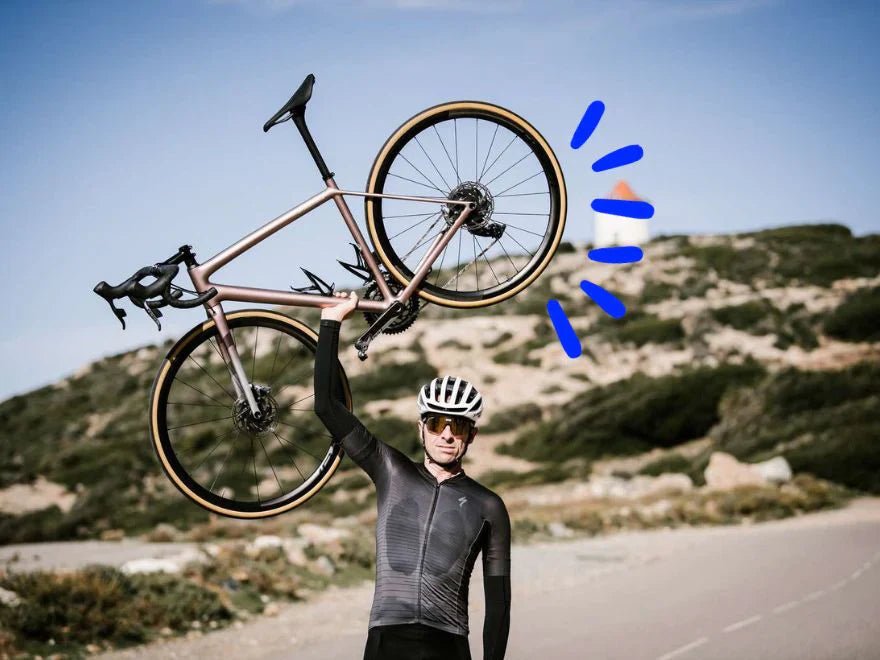
Here's a question you often send us: What is the ideal weight for an electric bike?
And for good reason, it affects many things: riding comfort, handling, range. Weight is therefore an important criterion when choosing your bike. We've done some research to help you make the right decision. What components can affect this weight? What impact does it have on the price? electric bike ? What is the average weight of an electric bike depending on its category (mountain bike, hybrid bike, cargo bike, etc.)? We'll tell you everything in this article. Let's go!
What is the average weight of an electric bike (e-bike)?
It is difficult to give an exact answer since there is no standard for the entire market.
One thing is certain: the weight is inevitably greater than that of a regular bicycle. The reason? You have to add the motor, battery, display, and cables. And to be more precise? According to several studies, a bicycle weighs on average around 15 kg, while an electric bike is more like 20 or 30 kg. Some can even weigh up to 40 kg.
This leads us to a question: what is the impact on driving and daily use? Let's explain.
What is the weight of an electrification kit?
Let's take a concrete example with our two headlight kits. 👇
- The 500 kit : This product consists of a water bottle battery and a front-wheel motor. It's the ideal size for everyday use, such as commuting to and from work. Depending on the battery option chosen, the Kit 500 weighs between 3 and 4.5 kg. A relatively lightweight option that is very popular with our community.
- The 900 kit : This product was designed for those who want optimal comfort (mid-drive motor) and for more demanding rides (elevation gain, load on the bike, distance, etc.). The weight ranges from 4.8 kg to 7.8 kg depending on the battery option chosen. It is therefore slightly heavier than the base model.
Good to know: Are you interested in electrifying your bike but unsure which format to choose? Write to us. We will gladly respond to you as soon as possible.

Why is having a lightweight bike a good thing?
The weight of the bicycle affects 3 key elements 👇
- Practicality in use : Beyond cycling on bike paths, you may occasionally need to lift your bike (to park it, carry it up or down stairs, load it onto a train or into a car, etc.). In these situations, it's very convenient not to have to carry excessive weight. A simple tip is to remove the battery before lifting to save even a little weight.
- Maneuverability : A heavy bike will be less maneuverable and slower. If you're used to riding in an urban area where stops are frequent and interruptions are common, a lightweight bike with high responsiveness can be very practical. It's worth noting that the difference is quite slight; using an electric bike remains, of course, very comfortable (which is precisely why it's becoming so popular).
- Autonomy : One last point, often overlooked: when the bike is lighter (the rider's weight also plays a role), the battery and motor are used less. In other words, the battery lasts longer and the lifespan of your equipment is extended.
How much does the electrical component of an e-bike weigh?
In general, the motor and battery account for almost half the weight of an e-bike.
Depending on the range (pedal motor, front/rear wheel motor, etc.), the power (250, 500 or 750 Watts), the range and the size of the battery, the weight is generally between 2 and 5 kg.
Good to know: While the weight of the motor varies relatively little with performance, the same cannot be said for the battery. The more powerful the battery, the heavier it is.
What is the average weight of an electric bike? by type of bike (mountain bike, hybrid bike, etc...)?
- All-terrain electric bikes (Mountain bikes): Given their intended use, these bikes need to be particularly robust. They are therefore generally heavier than, for example, an urban electric bike. The weight is often over 20 kg.
- Electric road bikes : For road cycling, aerodynamics and weight are quite important. The components chosen are therefore generally lighter than those used for mountain biking. Expect to pay between 15 and 19 kg.
- Electric cargo bikes : By definition, cargo bikes are much heavier, and the weight varies considerably depending on the model (equipment, load capacity, etc.). Generally, it's difficult to find an electric cargo bike weighing less than 30 kg.
- Fat bike electric bikes : Although still relatively uncommon, they have a bright future. Fat bikes are equipped with wide tires, offering excellent grip on difficult terrain (sand, snow, mud, etc.). Logically, these bikes have more features and are therefore heavier than standard electric bikes, weighing between 25 and 30 kg.
Good to know: The same reasoning applies to children's electric bikes. The weight is lower than for adult bikes due to the overall size of the components. On average, a good electric bike (e-bike) weighs between 14 and 18 kg. 🚲
5 examples of weight for some leading bicycle models in France
A brief overview of some essential bicycle models and their weight 👇
- Yuba Kombi E5 : 29.5 kilos (on the left in the photo)
- Gaya Cargo : 28 kilos (without the battery)
- Elops Cargo Bike (Decathlon) R500 Electric: 28 kg
- Canyon Mountain Bike Spectral ON CF 8 : 23.5 kilos (on the right in the photo)
- Brompton electric A-line : 11.6 kilos (in the middle of the photo)

The average weight of a bicycle in the Tour de France
The information presented just above corresponds to standard use of the bicycle, for you, for us, for the general public.And what about the professionals? How much do the bikes weigh for the riders in the Tour de France? Since the first edition in 1903, things have changed considerably. The first winner (Maurice Garin) had a bike that weighed 20 kilos.
Today, on average, the weight of a Tour de France rider's bicycle is around 7 kilos. Over the years, equipment has been optimized. Everything is designed to be light, aerodynamic, and efficient.

Good to know : The weight of a Tour de France bicycle cannot be less than 6.8 kilos. This regulation was put in place by the Union Cycliste Internationale (the organization whose aim is to develop and promote cycling in cooperation with national federations) in the early 2000s.
4 pieces of equipment that can affect the weight of a bicycle
- The battery: Depending on the type of battery and performance you choose, the weight can vary considerably. Also, be aware that manufacturers often list the weight of the bike without the battery (in any case, it's always specified in the product's technical specifications). For example, Virvolt batteries weigh between 1.4 and 3 kilograms.
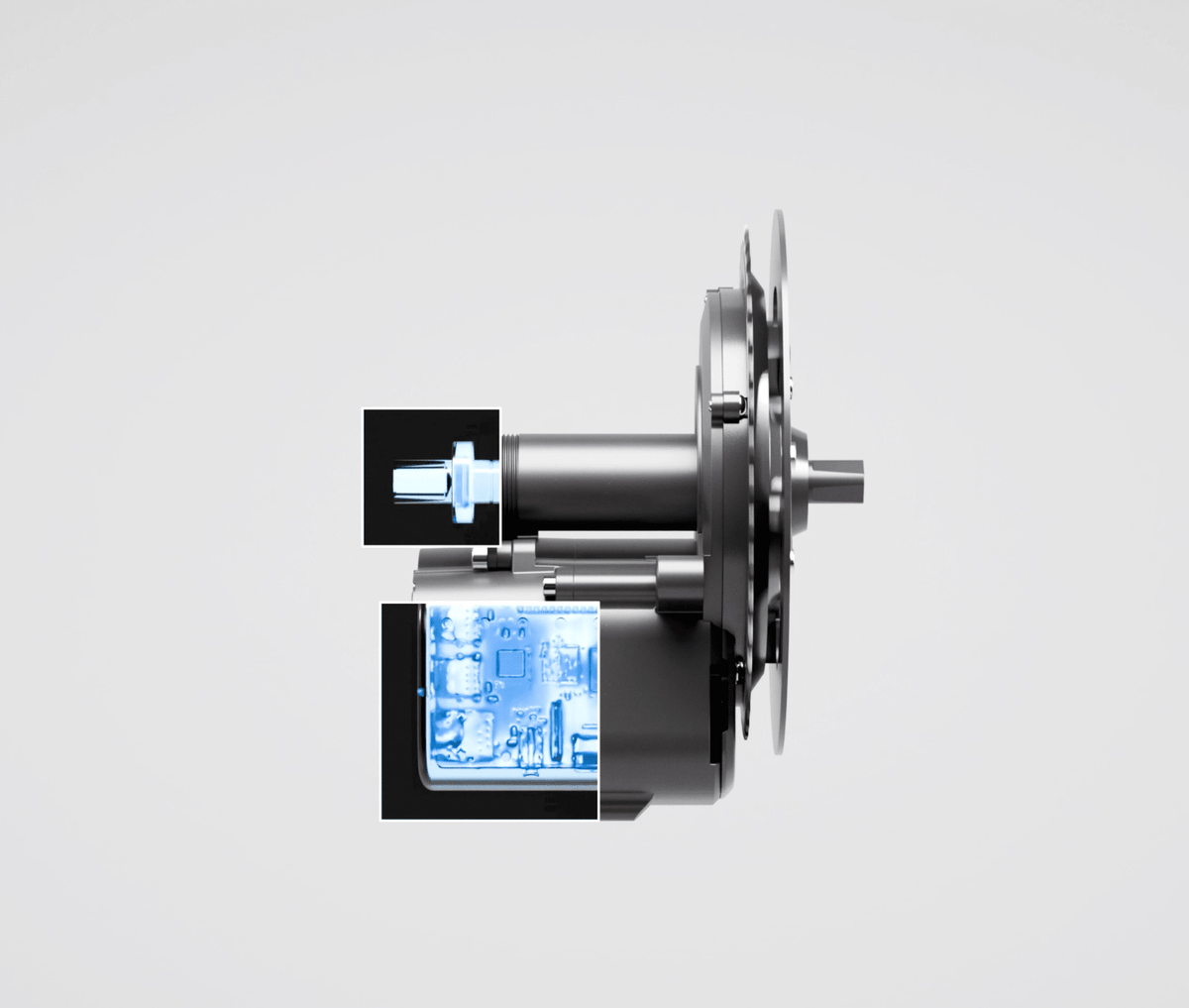
- The engine: A mid-drive motor will generally be heavier than a front or rear wheel motor. Are you unsure about the differences between these formats? We explained everything in our guide. how to electrify a bicycle. For example, the front wheel motor of the Virvolt 500 Kit weighs 1.5 kilos while our bottom bracket motor weighs 3 kilos.
- The frame : As mentioned earlier, depending on the intended use of the electric bike (e-bike), the frame weight can vary. It will be heavier for a mountain bike than for a road bike, and lighter for a single-person city bike than for a cargo bike. When buying a new electric bike, simply look at the overall weight of the bike (we shared some examples earlier to help you visualize it). For a regular bike that you are electrifying, you only need to look at the weight of the kit. Furthermore, it is sometimes said that the frames of these regular bikes are not designed to accommodate electric components. This is a misconception. All these bikes were designed according to the same European standards. What is crucial for safety, however, is the quality of your brakes.
- Other equipment (Brakes, tires, luggage rack, screen, lights, etc.): Combined, all this equipment can add a little weight. Generally, between 1 and 2 kilos. These are therefore elements to consider, but they are generally not very significant (except for professionals or elite athletes, of course).
What is the relationship between weight and price for a bicycle?
The reasoning is the same as for any sports equipment. The more you try to optimize weight, the more expensive the product will be. This is because it requires specific materials, a special design, and extensive research. Still unsure? Head to the tent section of your favorite sporting goods store. The more you're looking for a featherweight, the higher the budget climbs (and it's often exponential). The same applies to bicycles. However, for everyday use, it's not necessary to go to such extremes.

Partager:
How not to have a sore butt on an electric bike ?
Why choose an electric bike kit for your tandem ?