
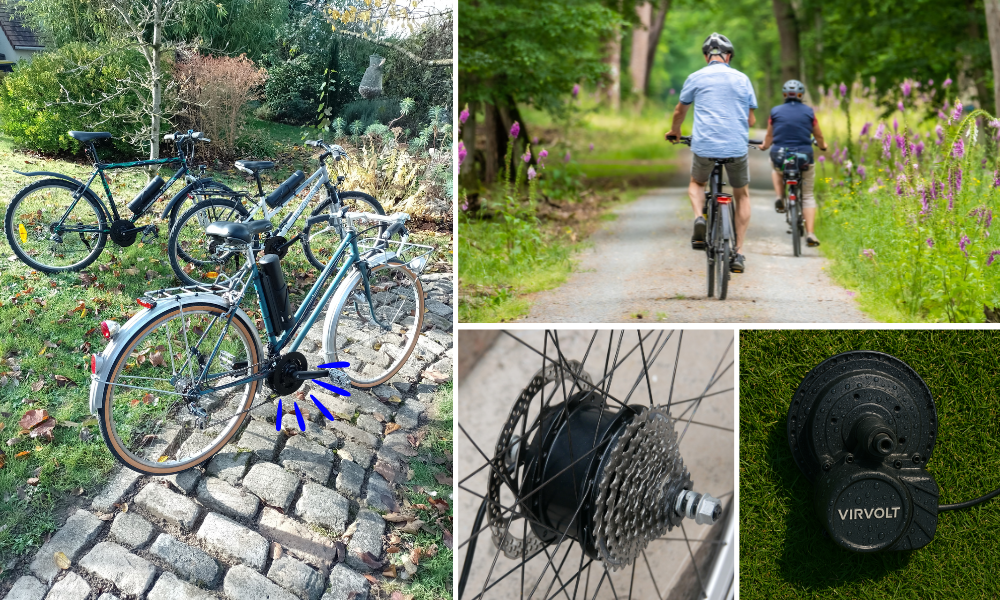
In France, nearly 32% of the population lives in rural areas and travels an average of 15 km per day for their daily commutes. These journeys may include work, shopping, medical appointments, or school trips. In these areas, cycling remains a practical, economical, and environmentally friendly solution. It does not produce greenhouse gases, reduces road wear, and offers significant health benefits thanks to regular physical activity.
However, fatigue over long distances and sometimes difficult terrain limit its use for certain journeys. Fortunately, it's possible to convert a classic bicycle into an electric bike using an electric conversion kit. This solution transforms any bicycle into a high-performance mode of transport, capable of covering longer distances without excessive effort. Electrification thus opens the door to sustainable and accessible mobility for all residents of rural areas.
Summary
- Why is cycling so well suited to rural areas?
- How does an electric kit transform a bicycle?
- What feedback is there from rural users?
- How to choose and install your conversion kit?
- What future for rural mobility thanks to electric bicycles?
- Conclusion
Why is cycling so well suited to rural areas?
What economic and environmental benefits does cycling bring?
Cycling is an economical mode of transport on several levels. It doesn't require fuel, which significantly reduces monthly expenses. Maintenance is limited to the chain, tires, and brakes, unlike a car which involves fuel, insurance, mechanical maintenance, and various taxes.
From an environmental perspective, cycling contributes to reducing CO2 emissions and air pollution. According to the French Agency for Ecological Transition (ADEME), replacing a car journey with a bicycle trip avoids approximately 120g of CO2 per kilometer traveled. With an electric bike conversion kit, this mode of transport remains sustainable while facilitating travel over longer distances or on hilly terrain. Electrification therefore promotes cycling for everyone, including those who might be limited by fatigue or physical limitations.
What obstacles hinder cyclists in the countryside?
Despite its advantages, the traditional bicycle faces several obstacles in rural areas. The long distances between home and workplaces or shops, often exceeding 10 km, present a challenge for cyclists. The terrain can also be demanding: steep hills or unpaved roads quickly cause fatigue. Weather conditions, such as rain or wind, are another obstacle, especially for those who have to travel several kilometers daily. Finally, the lack of safe infrastructure, such as bike paths, can discourage users.
Is electrifying bicycles an effective solution?
Adding an electric kit to a classic bicycle makes it possible to overcome these obstacles. An electric motor provides considerable assistance, reducing the effort required over long distances and uphill. This allows cyclists to cover longer and more varied routes, carry loads, or even run errands without experiencing excessive fatigue. The electric mountain bike kit or electric assist kit adapts to the type of terrain and route, offering a tailored solution for rural mobility.
How does an electric kit transform a bicycle?
What exactly is an electric bike kit?
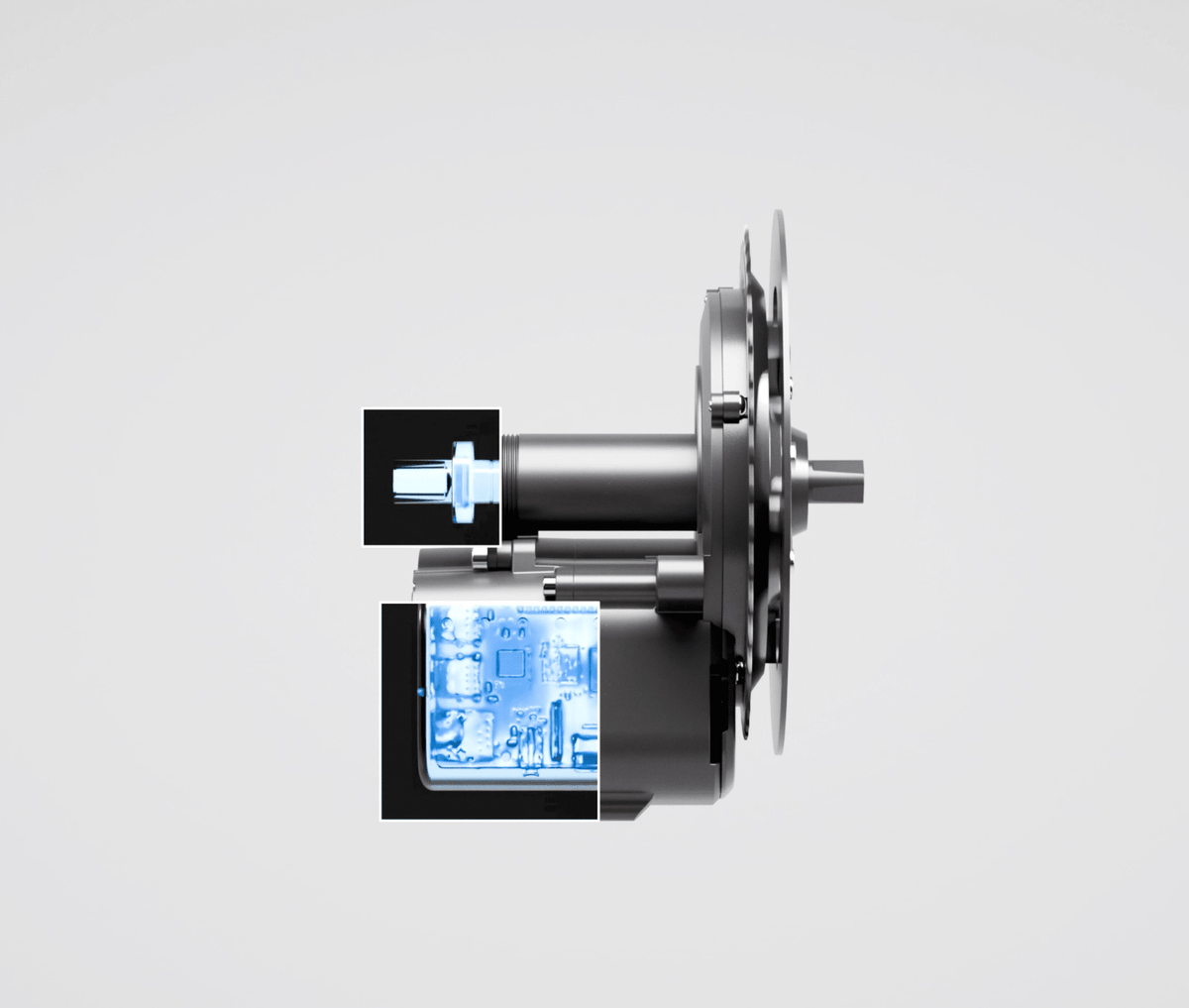
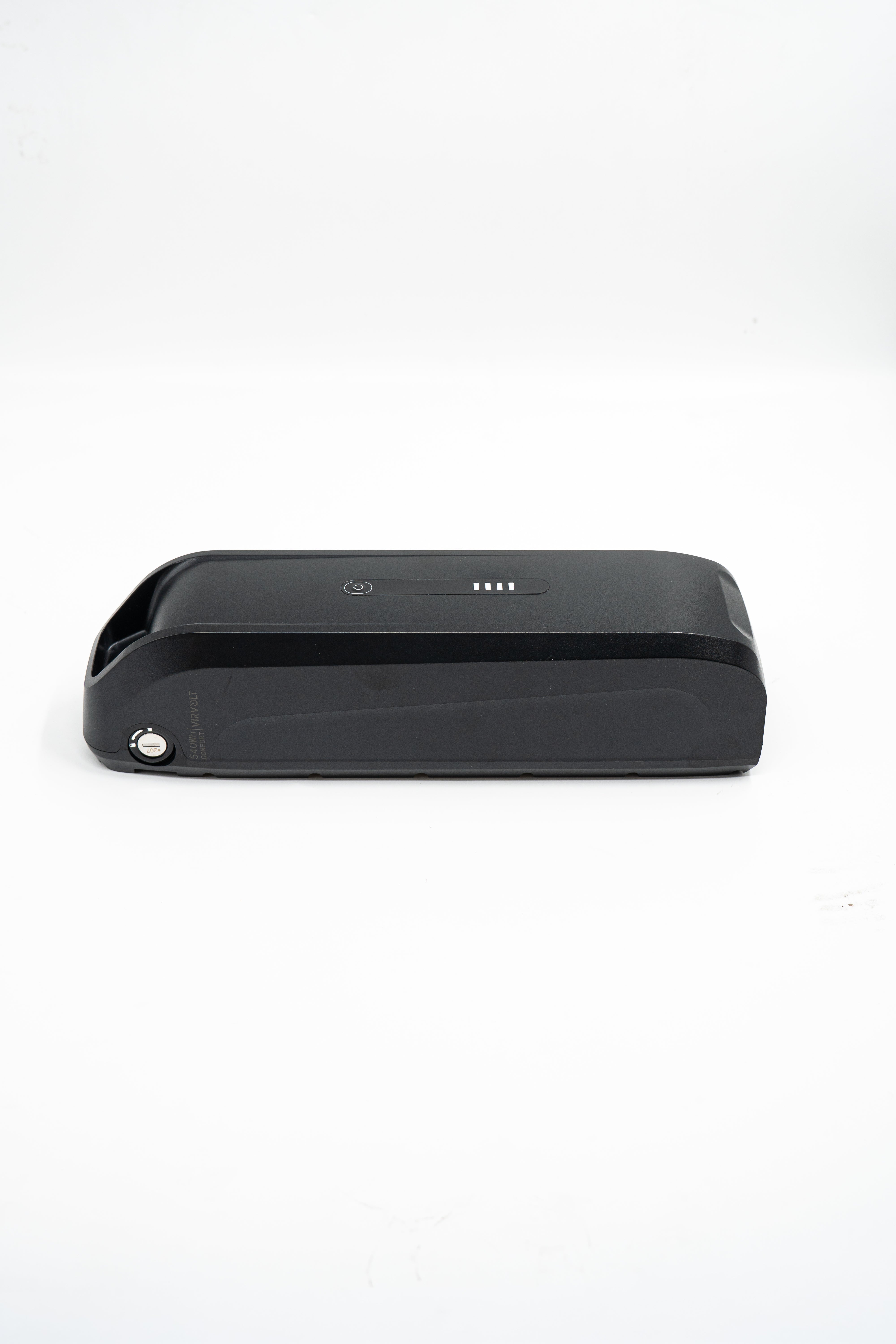
An electric bike kit typically consists of three main components: the motor, the battery, and the controller. The motor can be mounted on the front wheel, the rear wheel, or the bottom bracket.
The battery powers the motor and can be recharged at home. The controller regulates the power supplied by the motor and ensures the safety of the installation.
Thanks to this kit, a classic bicycle becomes an electric-assist bicycle capable of reaching speeds of 25 km/h on the road and climbing slopes without excessive effort. Depending on the intended use, one can choose an electric mountain bike kit for rough terrain or an electric assist kit for more regular urban or rural journeys.
What types of kits exist and which one should you choose?
There are several types of electrical kits:
Virvolt motors can be mounted on the front wheel, the rear wheel or at the bottom bracket, each with its own specific characteristics.
The engine on the front wheel It is simple to install and offers constant assistance, but it can slightly alter the balance of the bike, especially in tight turns.

The rear wheel engine provides better traction and is suitable for hilly or rough terrain, while maintaining stable handling.

Finally, the motor at the level of the pedals acts directly on the transmission and offers natural and efficient assistance, ideal for those who want a smooth and powerful pedaling experience, suitable for both urban journeys and rural roads.

The choice depends on your bike, the terrain, and your intended use. For long road distances, a rear hub kit is often recommended, while for off-road riding, a crankset kit offers more consistent power delivery.
Why is converting your bike profitable?
Investing in an electric bike conversion kit typically costs three times less than a new electric bike. It costs between €600 and €1,500 depending on the power and battery capacity. This solution also extends the life of your existing bike and reduces your environmental impact by avoiding the purchase of a new vehicle.
Finally, the flexibility offered by a kit allows you to choose the level of assistance and adapt the bike to different uses over time.
What feedback is there from rural users?
How does an electric kit make daily travel easier?
For many people living in rural areas, a daily 20km commute by bicycle can be tiring and discouraging. With an electric bike kit, this same journey becomes comfortable and fast. Our kits are also compatible with most cargo bikes., Cyclists can therefore carry bags, groceries, or equipment without extra effort. This increased autonomy transforms the perception of mobility, encouraging more people to replace car journeys with cycling.
What feedback highlights the value of the kit?
Many users highlight the advantages of an electric bike kit. These kits allow for longer distances, easier hill climbing, and the effortless transport of loads. They improve the quality of life for rural cyclists by making daily commutes more comfortable and reducing car dependency.The electrification of the bicycle thus offers increased freedom of movement and constitutes a practical, economical and ecological solution for getting around in the countryside.
Can the electric bike replace the car for everyday use?
For many daily commutes, the electric bike is becoming a viable alternative to the car. Fuel and car maintenance costs decrease, while regular cycling improves cardiovascular health and overall well-being. For distances of up to 20-25 km, an electric bike allows for fast and comfortable travel, even with light loads.

How to choose and install your conversion kit?
Which kit is best suited to my bike?
Choosing a kit depends on several factors: the type of bike, the terrain, the frequency of use, and the budget. For a mountain bike used on hilly trails, a crankset kit with a powerful battery is recommended. For a city bike on flat roads, a kit mounted on the front or rear wheel will suffice. The motor's power output and battery range should also be suitable for the intended routes.
How to install an electrical kit yourself?
Installing an electric bike kit involves attaching the motor to the wheel, installing the battery on the frame or rack, and connecting the controller. To ensure safe installation and optimal performance, it is strongly recommended to entrust this task to professionals. certified professionals. We have a wide A network of distributors capable of correctly installing your kit, checking the fixings, cables, and bike balance before its first use. This ensures not only safety but also maximum longevity for your electric bike.
How to optimize battery life and maintenance?
To extend battery life, recharge it regularly, avoid complete discharge, and store it at room temperature. Maintain the chain, brakes, and drivetrain for optimal performance. Finally, moderate use of the electric assist will improve range and preserve the bike's mechanical components.
What future for rural mobility thanks to electric bicycles?
How to reduce car dependency?
The conversion kit transforms a standard bicycle into a high-performance electric bike, allowing residents of rural areas to easily complete their daily commutes without using a car. For short or medium-distance journeys, this translates into direct savings on fuel and vehicle maintenance. By reducing the number of cars on rural roads, it also helps to decrease traffic, noise, and pollution, while promoting more environmentally friendly mobility. The electric bike thus becomes a reliable, practical, and sustainable alternative for everyday travel.
How do electric kits facilitate access in rural areas?
Electrifying bicycles makes it easier to access essential everyday services: going shopping, taking children to school, visiting the doctor, or commuting to work. In many rural areas, where public transport is scarce and distances are significant, an electric bike equipped with a kit becomes a real alternative.
It transforms long or tiring journeys into quick and easy trips.By making daily life easier, electric bikes support local businesses, maintain the vitality of villages and offer more autonomy to residents.
What are the prospects for sustainable mobility?
Electric bike kits are opening up new possibilities for rural mobility. They offer an eco-friendly and self-sufficient solution that reduces the carbon footprint of daily commutes. In the long term, the electrification of bicycles could profoundly transform the daily lives of residents, decreasing car dependency, improving health through regular physical activity, and promoting a more sustainable lifestyle. This transition helps create more resilient and environmentally conscious rural communities, while making daily mobility more enjoyable and accessible.
Conclusion
Cycling in rural areas is economical, ecological and practical, but its use can be limited by distance and terrain.
Converting to electric bikes with a kit removes these obstacles, making journeys faster, more comfortable, and more accessible. Whether for work, errands, or leisure, an electric mountain bike kit or an electric assist kit transforms the rural cycling experience. Accessible and cost-effective, this solution reduces car dependency, opens up isolated areas, and promotes sustainable mobility.
Adopting a conversion kit bike means choosing freedom of movement and durability for everyday use.
Partager:
Traveling repairers, key allies in your electrification
How to electrify a Trek bike with an electric kit ?