
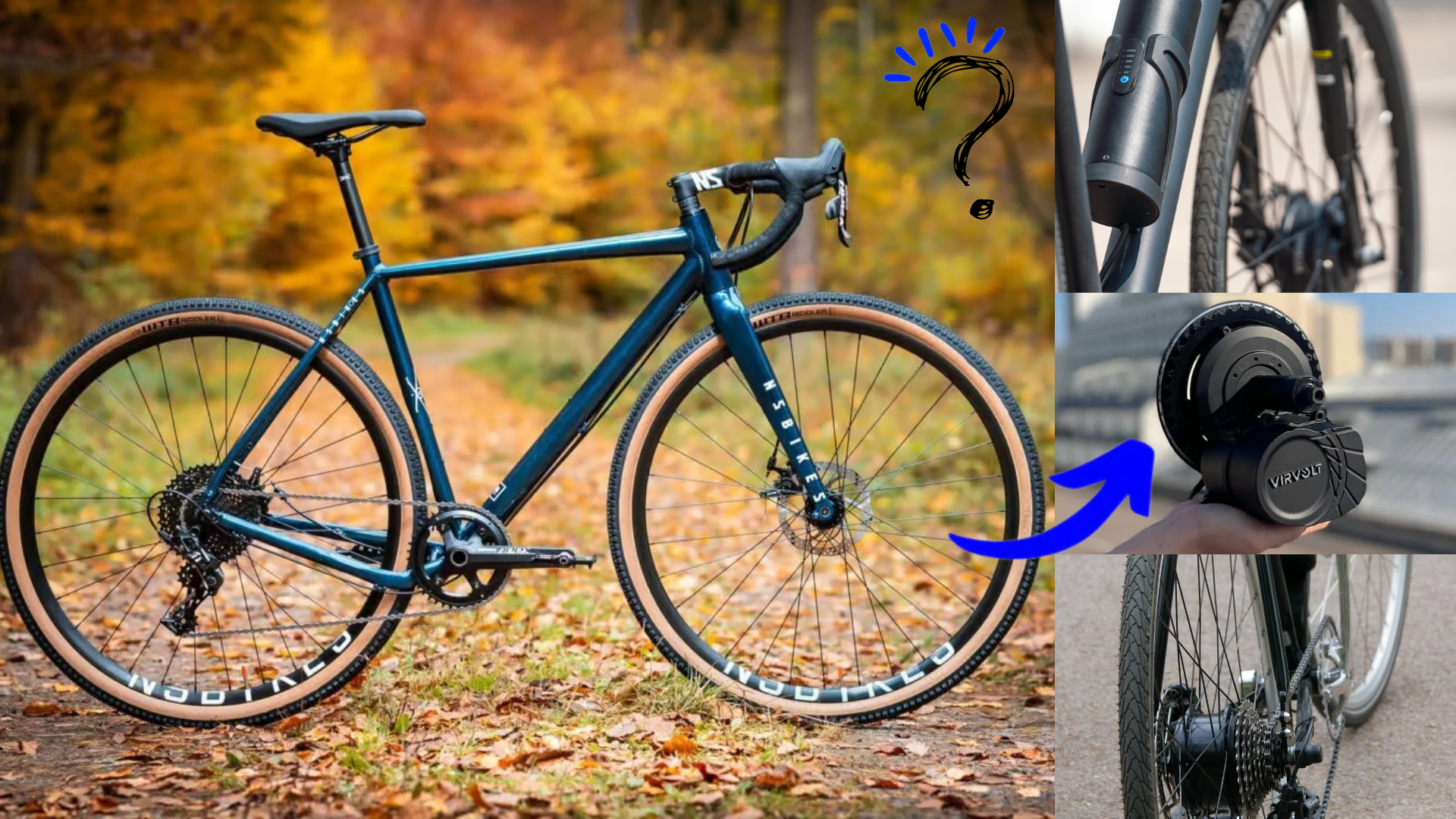
Faced with the rise of soft mobility, more and more cyclists want converting their bicycle into an electric bicycle thanks to a electrification kit. It's an economical, ecological, and customizable alternative to buying a new e-bike. Thousands of The French are ready to electrify their bicycle rather than buying a new one.
But what electric bike kit choose Depending on their intended use? The needs of a commuter bike, a mountain biker, a cycle tourist, or a parent using a cargo bike are very different. This article will help you make the right choice, with technical recommendations, concrete examples, and custom configurations.

Summary
1. Why electrify your bike with a kit?
1.1 What are the real benefits of an electric bike kit?
1.2 Electrifying your bike: is it a good investment?
1.3 Which bicycles can be converted and under what conditions?
2. Which electric bike kit do you need based on your intended use?
2.1 Which kit is best for urban use and daily commuting by bike?
2.2 Which kit should I choose for road cycling and cycle touring?
2.3 What kit for a cargo or family bike?
3. What kit is needed for mountain biking and other sports?
3.1 What type of motor should I choose to convert a mountain bike into an electric mountain bike?
3.2 Which battery should I choose for off-road use?
3.3 Can you really convert an existing mountain bike or do you have to buy an e-mountain bike?
4. Conclusion
1. Why electrify your bike with a kit?
1.1 What are the real benefits of an electric bike kit?
Transforming your classic bicycle into an electric-assist bicycle thanks to a electric bike kit It offers numerous tangible advantages, in terms of cost, performance, and environmental impact. From an economic standpoint, it is undoubtedly the most cost-effective solution for switching to electric. Indeed, while the purchase of a new electric bike can easily exceed €2,000, a electric bike kit A high-performing, well-maintained bike can achieve equivalent results for two to three times less money. This makes electrification accessible to a wider audience, particularly those who wish to reduce their dependence on cars, but without investing a large sum all at once.
From an environmental perspective, opting for a electric motor kit is a smart way to extend the life of your bike, avoid waste, and reduce your carbon footprint. Unlike buying new, which involves manufacturing a completely new frame, wheels, components, and battery, using a electric bike kit It is based on a reuse approach. We optimize what we already have, and we limit the production of waste and CO2. This choice then becomes a real contribution to sustainable mobility.
Finally, a bicycle conversion kit It offers true technical freedom. It allows you to personalize the assistance to your needs, choose the most suitable motor type, battery capacity, and even battery placement. By choosing the right electric assistance kit, Users retain full control over all aspects of their bike, while adding perfectly calibrated assistance. It is this flexibility and adaptability that is increasingly appealing to urban, sporty, and family users.
1.2. Electrifying your bike: is it a good investment?
The question of cost is often the first one raised by those considering converting their bicycle into an electric bicycle. Is it really financially worthwhile? In practice, the answer is a resounding yes, provided you choose a electric bike kit of good quality and suited to your needs. The average cost of a reliable kit ranges from €800 to €1,500, depending on the type of motor, battery power, and the complexity of the installation. In comparison, a new equivalent electric bike often exceeds €2,000, or even €3,000 for cargo or all-terrain models.
But the economic benefits aren't limited to the purchase price. One must also consider the reduced maintenance of the electric motor, the lower transportation costs (fuel, parking, public transport), and the possibility of optimizing the battery over time. electric bicycle Used daily for commuting, it allows, in most cases, a amortization in less than 12 months. Especially since many kits are eligible for local subsidies or conversion bonuses! In Ile de France, for example, you can benefit from €200 for any purchase of an electrification kit.
Another key point to consider is the sustainability of the system. Unlike some low-end electric bikes, the electric bike kits High-quality batteries are repairable, and spare parts are available. If your battery starts to lose capacity after a few years, you can replace it independently of the motor. This makes it easier to replace the battery. electric motor kit a more sustainable, more responsible, but also more flexible solution, since it evolves with your usage and your bike.
1.3 Which bicycles can be converted and under what conditions?
One of the most frequently asked questions about the electric bike This concerns the compatibility between kits and existing bicycles. Can any bicycle be electrified? The answer is: almost all, with a few technical exceptions. electric bike kits Current models are designed to be compatible with a wide variety of frames, drivetrains, and wheel sizes. Whether it's a city bike, a hardtail mountain bike, a road bike, or even a folding or cargo bike, there is now a electric assistance kit adapted.
However, a few basic rules must be followed. First, the frame must have enough space to install the battery, especially if it's designed to be mounted on the downtube. It can also be placed on the rear rack. The type of brakes on the bike must also be checked: some older brakes need to be replaced to avoid any danger when electrifying a bicycle. This is the case, for example, with vintage cantilever or caliper brakes. Secondly, the hub width (for a hub motor) or the bottom bracket compatibility (for a mid-drive motor) are technical elements that must be verified beforehand.
From a mechanical point of view, it is also essential that the bicycle be in good condition. conversion to electric bike puts more strain on the frame, brakes, wheels, and drivetrain. If you own an old, rusty, or poorly maintained bicycle, it's best to carry out a complete overhaul, or even replace some parts, before installing a electric bike kit.
2. Which electric bike kit do you need based on your intended use?
2.1. Which kit is best for urban use and daily commuting by bike?
Electrifying one's bicycle for getting around town has become one of the main motivations behind buying a electric bike kit. This type of use imposes a number of very specific criteria: the reliability of the system in a constrained environment, the discretion of the motor to limit the aesthetic impact, and the flexibility of the assistance in a context of frequent starts at traffic lights, heavy traffic and narrow streets.
For daily commuting by bike, the best choice is often a electric motor kit front wheel. This system has the advantage of being simple to install, particularly discreet, and economical. It allows you to quickly transform a classic city bike into a efficient urban electric bike, without significant modifications.
However, if your route includes hills, or if you are carrying loads (panniers, child seat), it may be worthwhile to opt for a central engine kit, More torque. This type of kit offers better weight distribution and smoother handling, especially uphill. It more closely mimics the natural feel of pedaling, which appeals to regular cyclists.
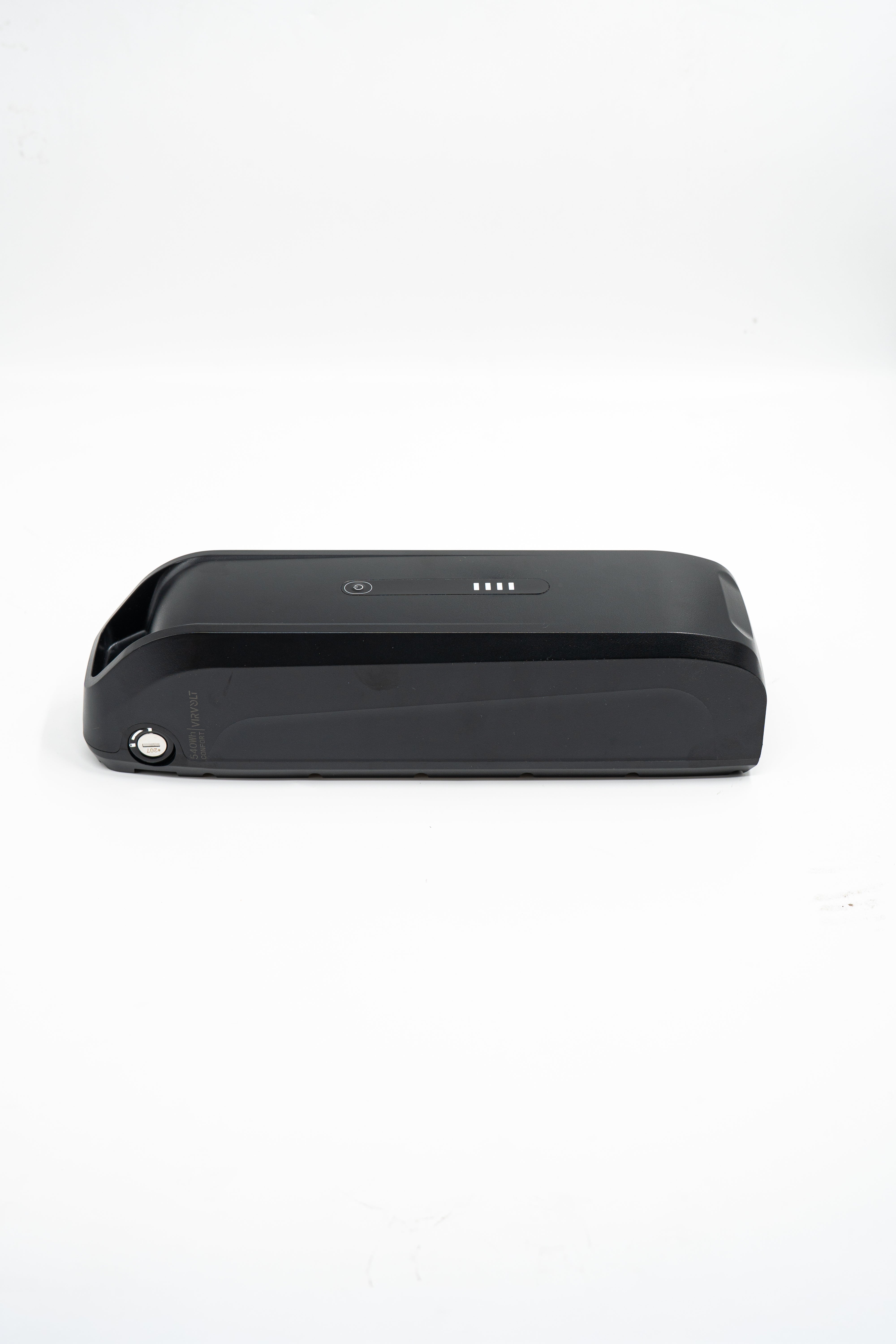
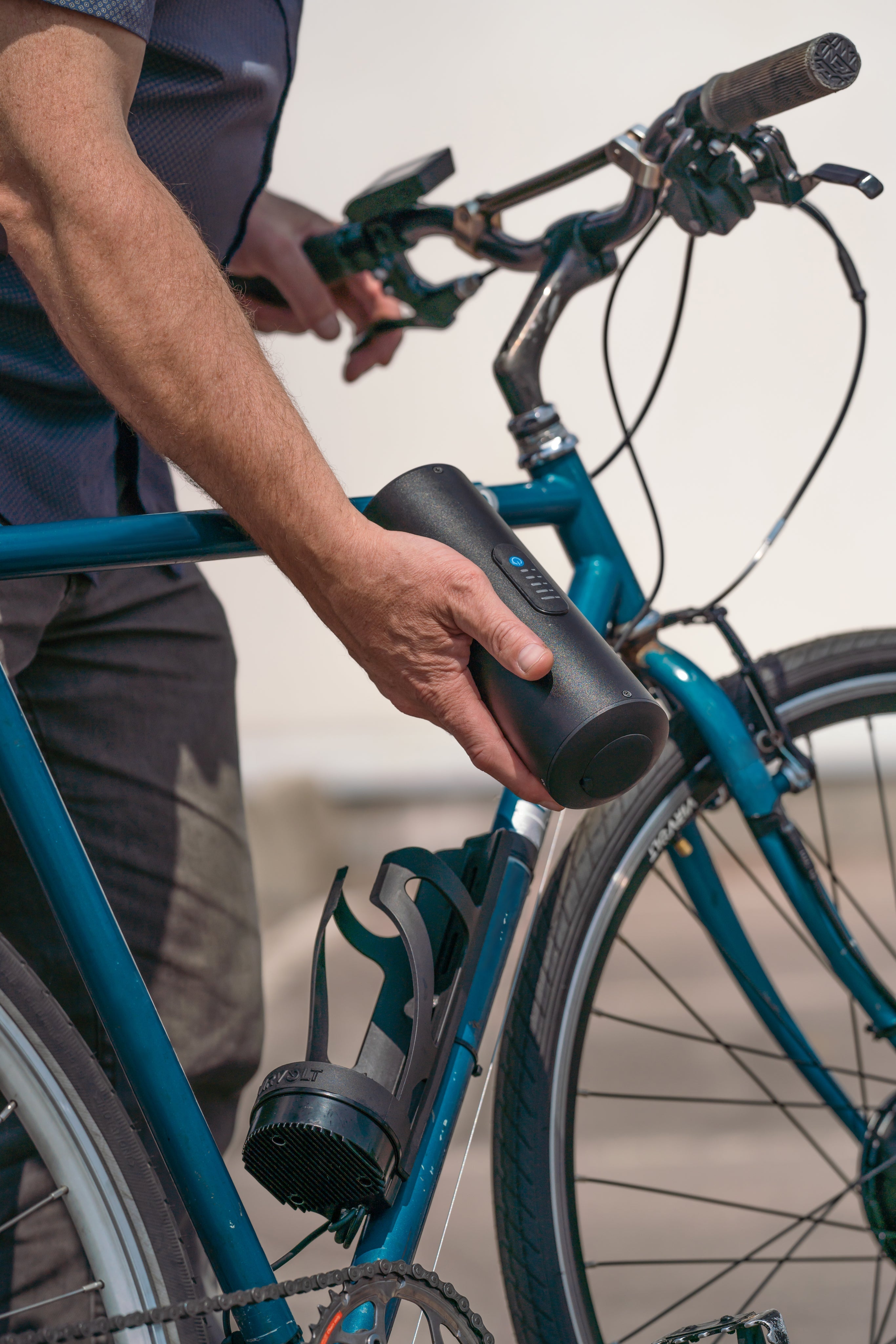
Regarding the battery, for daily use under 30 kilometers, a 500 Wh battery is generally sufficient. It can be mounted on the bottle cage, a rear rack, or attached to the frame, depending on the kit. It's also important to choose a electric bike assist kit which remains compatible with a lock and with the comfort equipment typical of urban cycling: mudguards, kickstand, basket or luggage rack.

This type of conversion is particularly popular for Dutch-style or hybrid bikes, which often have a low frame and a comfortable riding position. bicycle conversion kit Once properly installed on this type of base, it becomes an excellent tool for everyday mobility. The ease of use, controlled cost, simple maintenance, and reliability of the front-wheel motors make it a robust, efficient, and durable solution.
2.2 Which kit should I choose for road cycling and cycle touring?
Transforming a road bike or a touring bike into electric bike This requires a completely different approach. Here, the priority is given to autonomy, the lightness of the kit, and the smoothness of pedaling. Cycle touring often involves long distances, moderate but consistent elevation changes, and a need for sustained assistance without compromising the pedaling experience.
For this type of use, the most sensible choice is often a rear wheel electric motor kit. This motor acts more directly on the bike's traction, and it has the advantage of being completely silent and unobtrusive. It becomes virtually invisible when the assistance is switched off, which is ideal for preserving the feel of a traditional bicycle. It also allows for better battery management because the effort is more evenly distributed between the rider and the motor.
One of the decisive criteria in this context is battery capacity. For a cycle touring route of 70 to 120 kilometers per day, a 550 to 750 Wh battery should be considered. Some kits allow for the installation of a second battery (on the rack or frame), which significantly extends the range. For a long trip, this can make all the difference.
Another essential point is weight. One electric bike kit Being too heavy will compromise the performance and agility of the road bike.It is therefore essential to choose a lightweight motor (less than 4 kg with the wheel) and a well-positioned battery. Compatibility with 2x10 or 2x11-speed drivetrains, typical of road bikes, must also be checked. Some kits, particularly rear wheel kits, are specifically designed for these configurations.
This type of electrification is particularly well-suited to gravel, touring, or comfortable road bikes. It extends the lifespan of high-end bicycles while opening up a world of possibilities for long rides, cycling holidays, or hilly routes. In short, the right electric bike kit The road bike is the one that knows how to be forgotten when not in use, while being there when the elevation gain or fatigue demands it.
2.3 What kit for a cargo or family bike?
Cargo bikes, longtails, or two-wheeled cargo bikes cater to very specific uses, often family or utilitarian, where the load carried is a key factor. Electrifying a cargo bike without compromising its stability or range is a real challenge. In this context, the choice of electric motor kit is absolutely crucial.
The most suitable engine is almost always a bottom bracket motor, That is to say, a mid-mounted engine. This solution offers the most torque, up to 80 Nm for some models, which is essential for easy starting even with two children on board or a 100 kg load. The central engine position allows for optimal weight distribution and stable handling even at low speeds.
The battery, too, must be up to the task. For everyday family use (school, shopping, commuting), a 700 Wh battery will be a good investment.
Another important criterion is compatibility with hydraulic brakes, wide tires, and cargo accessories. It's also important to choose a electric assistance kit Equipped with a high-performance torque sensor, this system adapts the assistance to the pressure exerted on the pedals, which is particularly valuable on cargo bikes, where power management needs to be smooth and intuitive.
Electrifying a cargo bike transforms it into a true alternative to the car: reliable, powerful, and versatile. bicycle conversion kit A well-configured system allows for a lasting lifestyle change while respecting the logistical constraints of family or professional life. This type of conversion is also encouraged by certain regional subsidies, sometimes exceeding those of traditional e-learning programs, making the operation even more economically viable.
3. What kit is needed for mountain biking and other sports?
3.1 What type of motor should I choose to convert a mountain bike into an electric mountain bike?
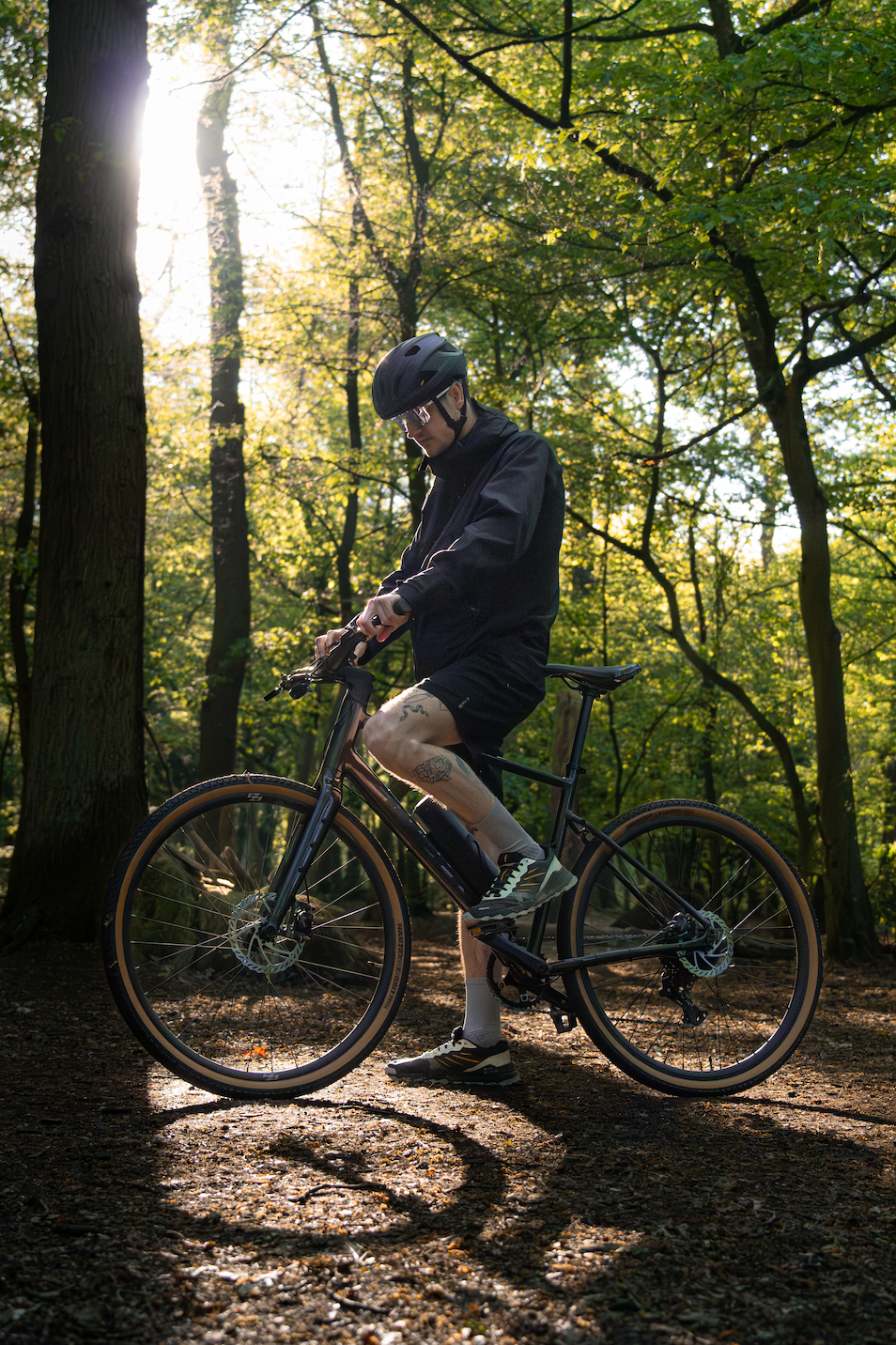
In the universe of Electric mountain bike, Performance, responsiveness, and robustness are the key words. Electrifying a mountain bike involves a much higher level of technical expertise than for urban or road bikes. electric mountain bike kit It must withstand the stresses of rough terrain, fast descents, steep climbs, muddy sections, and significant temperature variations. It's not simply a matter of adding an engine, but of converting your mountain bike into a true e-MTB, capable of maintaining the responsiveness of the driving while providing powerful and controlled assistance.
For this purpose, a central engine is the best option.Unlike front or rear wheel motors, which can disrupt the bike's handling on difficult terrain, the central electric motor kit It offers optimal weight distribution in the center of the frame. This allows for better stability on descents, more natural traction on technical climbs, and perfectly adjusted assistance thanks to the integrated torque sensor. This sensor precisely detects the force exerted on the pedals and modulates the motor assistance accordingly, resulting in a smooth and proportionate pedaling feel, even on challenging trails.
It is essential to choose a electric mountain bike assist kit with sufficient motor torque. Below 60 Nm, off-road capabilities are limited. The best kits easily reach 85 Nm, allowing you to climb slopes of over 15% without losing traction. Furthermore, these motors are often waterproof (minimum IP65 certification), shock-resistant, and designed to withstand extreme conditions, which is crucial for use in the mountains, forests, or on technical trails.
Integration with the bike's drivetrain is also a key point. electric mountain bike kit It must remain compatible with 10, 11, or 12-speed cassettes, commonly found on modern mountain bikes. Some kits include a feature that cuts off the assistance during gear changes, protecting the chain and extending the drivetrain's lifespan.
3.2 Which battery should I choose for off-road use?
On a Electric mountain bike, The battery must meet two major constraints: capacity and compactness. It needs enough energy to power a ride of several hours on difficult terrain, but without unnecessarily adding weight to the bike. A 600 Wh battery is the minimum recommended for rides of 40 to 70 kilometers in mixed conditions. For intensive riders or long tours, 800 Wh options, or even more, are often available, featuring high-end lithium-ion cells.
Battery placement also plays an important role in the bike's balance. A battery mounted on the frame is ideal for lowering the center of gravity and preserving handling. Some kits even allow for the installation of a second battery on the bottle cage or the upper frame, which considerably extends the range, especially in the mountains or for long rides at altitude.
It is also important to check the robustness of the battery mount. In mountain biking, repeated vibrations and shocks can cause loose connections or even breakage. electric bike kit A well-designed device should incorporate a robust mounting system that is resistant to shocks and splashes of water or mud. The best models include thermal and electronic protections that prevent overheating, protect against deep discharge, and ensure safety even under extreme conditions.
For bikepacking or trail running enthusiasts, some electric mountain bike kits They also allow the installation of a smart management module, with a touchscreen, customizable settings, and integrated GPS tracking. These features are particularly appreciated by enthusiasts of sport touring or enduro competition who are looking to optimize their performance while maintaining precise control over the assistance level.
3.3 Can you really convert an existing mountain bike or do you have to buy an electric mountain bike?
The temptation to buy a fully equipped electric mountain bike may seem logical, given how much the market has grown in offerings.However, many experienced practitioners today prefer converting their bicycle into an electric bicycle thanks to a kit. Why this choice? Simply because it allows you to preserve a bike that you know well, that you have often chosen or custom-built, with specific components, a geometry adapted to your practice, and a personal riding feel.

A electric mountain bike kit A well-chosen frame allows you to transform a hardtail or full-suspension mountain bike into a true e-MTB, without compromising on quality. This approach is all the more relevant since high-end traditional mountain bikes are often lighter and better equipped than entry-level e-MTBs, which sometimes suffer from an undersized motor or a battery with poor endurance. Electrify a good frame, mount a suitable fork, install a electric assistance kit powerful, and you will get a high-performance bike, tailored for adventure and sport, often for a lower budget than a new electric mountain bike of the same level.
Of course, not all frames are compatible. You need to make sure that the bottom bracket accepts the chosen mid-drive motor, that the geometry allows for cable routing, and that the wheels are strong and high-quality. For off-road use, it's best to start with a robust aluminum or carbon frame, equipped with disc brakes and a good suspension system. But in many cases, Conversion remains possible, reliable and advantageous.

Conclusion
Choose a electric bike kit Tailoring your kit to your needs is key to a successful electrification project. Whether you're a city dweller, a touring cyclist, a family user, or a sports enthusiast, each activity requires a specific choice in terms of motor, battery, and configuration. A well-chosen kit guarantees smooth assistance, sufficient range, and optimal comfort, all while respecting the original characteristics of your bicycle.
Before you begin, take the time to analyze your actual needs, your usual routes, and any technical constraints. Don't hesitate to seek expert advice and consult other articles on the subject. Finally, electrifying your bike is also a committed way to contribute to cleaner and more sustainable mobility.
If this article helped you, share it with your friends and family and leave us a comment to tell us which kit convinced you!
Share:
What cycling subsidies are available in France? 🇫🇷
Useful electrification: Virvolt kits for fleets and professionals