
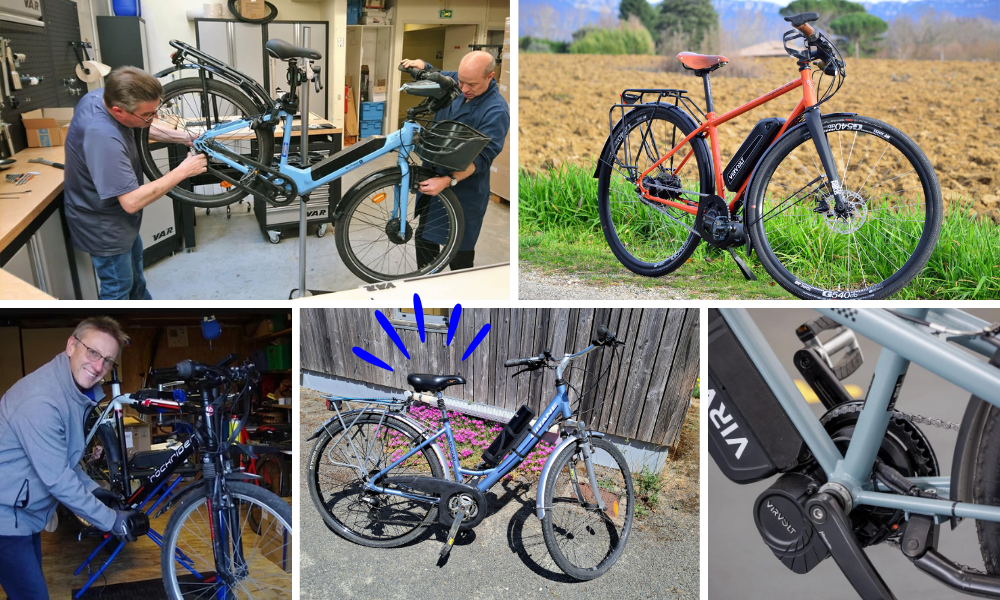
Bicycle electrification is a trend that continues to gain ground. In France, more than 500,000 conversions have been carried out in recent years, according to the French Federation of Bicycle Users (FUB). This growth is explained by the desire to combine sustainable mobility, savings, and the pleasure of cycling more easily. Installing a electric bike kit Converting a regular bicycle into an electric bike is an economical and ecological solution. However, this project requires careful attention to avoid common mistakes that can affect the performance, safety, or durability of your electric bike.
In this article, we guide you through the 5 main mistakes to avoid. This will help you choose the right equipment, prepare your bike, install the kit correctly, comply with regulations, and maintain your electric bike in the best possible conditions.
Before we begin, discover our full range of Virvolt bicycle conversion kits designed to support all types of users.

Summary
-
Why choose your electric bike kit carefully?
1.1 How to choose a kit according to its use?
1.2 What is the difference between the types of kits?
1.3 What criteria should be used to evaluate the quality of a kit? -
How to prepare your bike before installation?
2.1 Why is mechanical control essential?
2.2 What adaptations should be made to your bicycle?
2.3 How to choose your battery for an electric assistance kit? -
Do-it-yourself or hire a professional?
3.1 What mistakes should be avoided in DIY installation?
3.2 Why can a professional be an asset?
3.3 How to maintain your bicycle after electrification? -
Regulations and safety: what do you need to know?
4.1 What legal standards must be respected?
4.2 Is it necessary to register your bicycle after conversion?
4.3 Why should security be a priority? -
Focus on electric mountain bike kits: what are their specific features?
5.1 Why does a mountain bike kit need to be robust?
5.2 How to choose the right electric mountain bike kit?
5.3 What precautions should be taken on rough terrain?
1. Why is it important to choose your electric bike kit carefully?
1.1 How to choose a kit according to its use?
The first step, often underestimated, is to choose a electric bike kit tailored to your profile. Your usage will determine the configuration, power, and components you will need.
If you mainly ride on flat or moderately hilly urban roads, a simple kit with a front-wheel motor may suffice. This type of kit is lightweight, easy to install, and generally less expensive. For example, our Virvolt front wheel kit is designed for urban cyclists seeking efficient assistance without complexity.
However, if you want to electrify a mountain bike for sporting outings in the forest, mountains or rough terrain, you will need a kit with a more powerful motor, often located at the bottom bracket, which offers higher torque. This type of engine transmits power directly to the transmission, providing a more natural feel and greater control. Our Virvolt electric mountain bike kits are specifically developed for these uses.
For cycle tourists or those who ride long distances, battery capacity, range, and reliability are essential criteria.
1.2. What is the difference between the types of kits?
Electrification kits are mainly available in three categories depending on the positioning of the motor: front wheel, rear wheel, or bottom bracket.
THE electric motor kit front wheel It's easy to install on most bikes, including those with disc brakes. It allows the rear wheel to remain undamaged, simplifying maintenance. However, this type of motor can alter the bike's balance and sometimes cause wheelspin on wet surfaces.

THE rear wheel electric motor kit It offers better traction, particularly useful on climbs and slippery terrain. Installation is more complex, as it often requires removing the wheel and ensuring compatibility with the derailleur. This configuration is appreciated for a smoother pedaling feel.
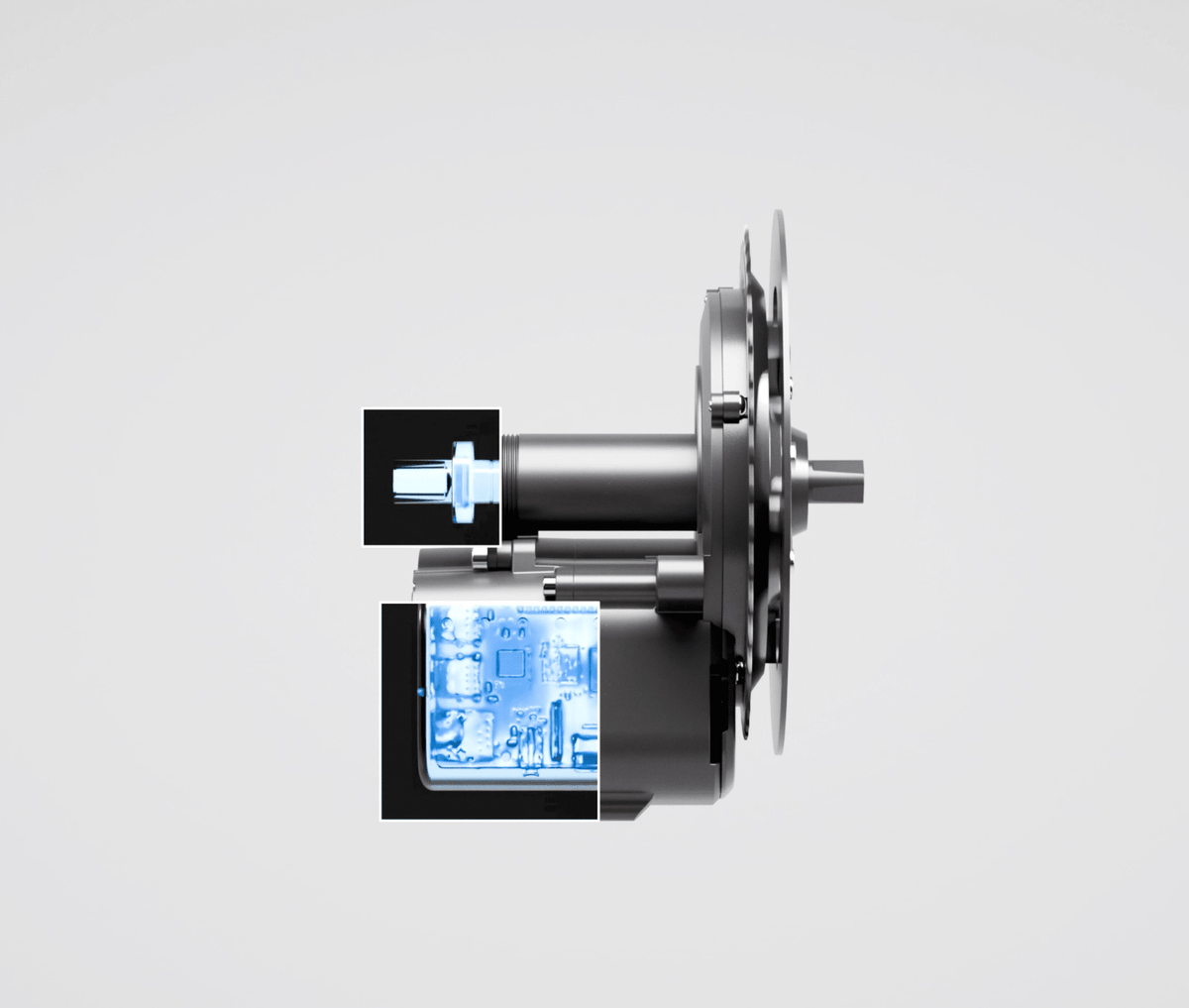
Finally, the electric motor kit with crankset This is the highest-performing configuration. Positioned centrally, this motor acts directly on the chain, providing assistance proportional to the rider's effort thanks to a torque sensor. This system is more complex to install, but it offers better weight distribution and increased energy efficiency.
1.3 What criteria should be used to evaluate the quality of a kit?
To select a reliable kit, several criteria must be taken into account.
The motor's power is often limited to 250W to comply with European legislation on electric bicycles.
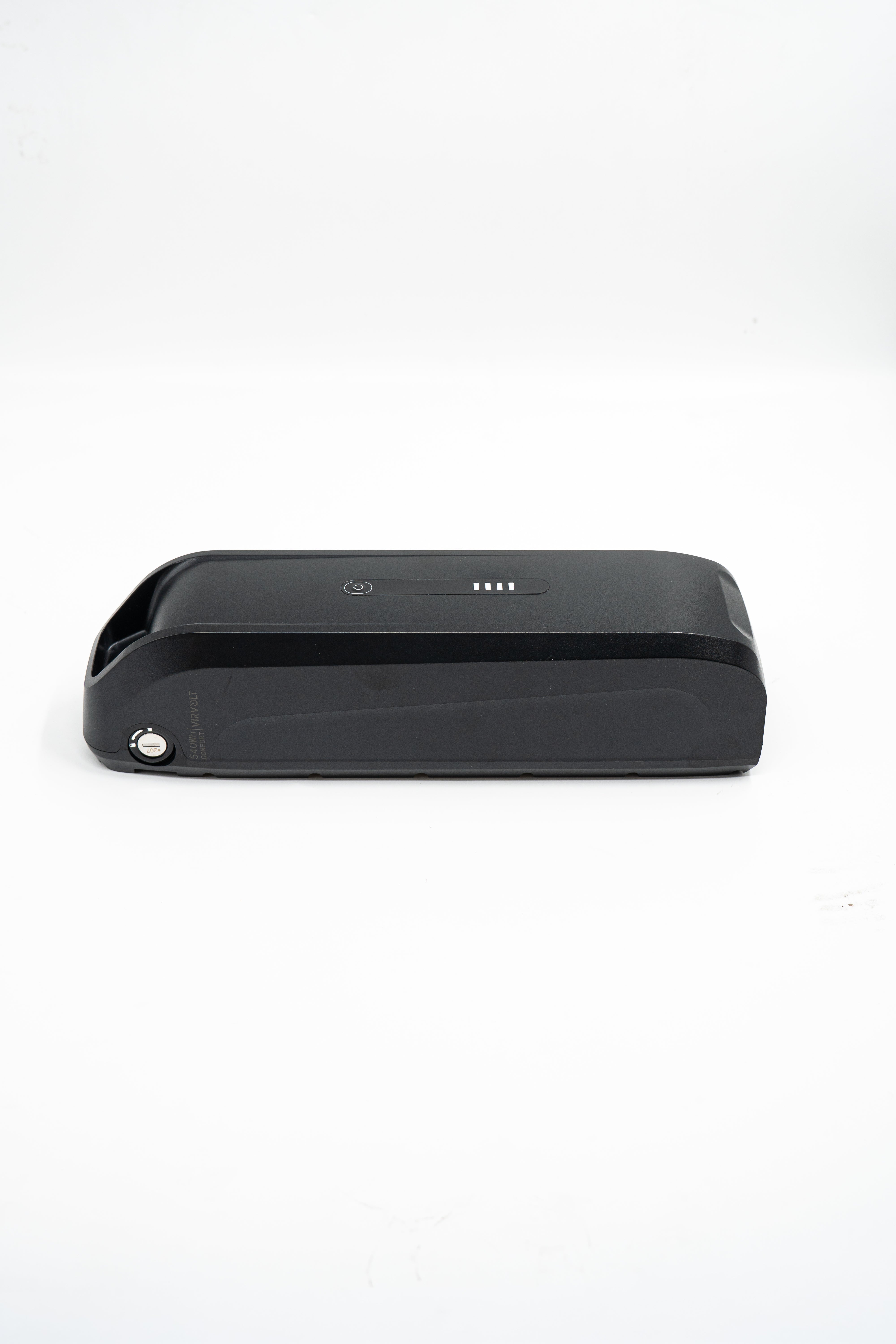
The battery must offer sufficient range, generally between 250 Wh and 700 Wh depending on usage, and be compatible with the motor and controller. Battery life, charging time, and warranties should also be considered.
The quality of the components (controller, sensors, wiring) ensures longevity and safety. Opt for recognized brands and choose a kit with good customer support.
2. How to prepare your bike before installation?
2.1 Why is mechanical control essential?
A thorough check of your bicycle is essential before installing a electric bike kit. Indeed, the addition of the motor and battery changes the behavior of the bike, puts more strain on the transmission and brakes, and can amplify mechanical weaknesses.
Check the spoke tension and condition of your wheels, the wear on the chain and sprockets, the proper functioning of the brakes (hydraulic or mechanical), and the frame rigidity. For a mountain bike, the suspension must be in good condition, as this will result in a faster and more powerful ride.
If you have any doubt, it is advisable to have your bike serviced by a professional.
2.2 What adaptations should be made to your bicycle?
L'electrification of a bicycle often involves some technical adjustments to guarantee safety and performance. However, thanks to the optimized design of the Virvolt electric bike kits, These adaptations are kept to a minimum.
Virvolt kits were designed to remain ultra lightweight, This limits the impact on the overall balance of the bike. Unlike other heavier systems, this allows for a natural ride and excellent handling, even on urban or folding bikes.
That said, some checks are still necessary:
THE battery assembly may require appropriate support.On some frames, a reinforced bottle cage or a specific luggage rack This may be required, especially if you opt for a long range (and therefore a larger battery). Virvolt models offer several flexible mounting options, compatible with most standard frames.
Regarding tires, although Virvolt kits don't significantly increase the bike's weight, the added assistance can boost average speed. Therefore, choosing tires with reinforced tires or puncture-resistant to cope with more intensive use, especially in urban areas or on mixed roads.
Finally, even with a lightweight engine, the increased speed and torque require extra vigilance regarding braking. It is strongly recommended to check the condition of your brakes, and even consider upgrading them. disc brakes or higher quality skates to ensure a quick and effective stop, especially on the electric mountain bike kits.
2.3 How to choose your battery for an electric assistance kit?
The battery is the heart of your electric assistance kit. It directly determines the range and performance.
Lithium-ion batteries are now the standard, combining lightness, capacity and lifespan.
Depending on your needs, you will choose a capacity between 250 Wh for short trips, and up to 700 Wh for long distances or demanding terrain.

At Virvolt, our batteries are designed for discreet integration, optimal safety, and fast charging.
3. Install it yourself or hire a professional?
3.1 What mistakes should be avoided in DIY installation?
Installing a electric bike kit It may seem simple and economical. In reality, this operation requires real expertise. Many users think it's just a matter of mounting the motor and connecting a few cables. However, mistakes can quickly accumulate and jeopardize the overall reliability.
One of the most common pitfalls involves electrical wiring. A poorly connected connector or neglected insulation can cause assistance cut-outs, or even a short circuit that damages the motor or controller. Without testing each step correctly, the system becomes unstable, difficult to diagnose, and sometimes irreparable without specialized tools.
Mechanical mounting can also be a source of problems. Improper motor mounting, especially on the wheel or crankset, leads to vibrations, imbalance, or premature chain wear. Misalignment on bottom bracket motor kits can damage the entire drivetrain.
The initial gain can quickly turn into additional costs.
At the house of Virvolt, Our kits are designed for performance and reliability, but their installation must be meticulous. That's why we recommend going through A certified installer, trained in the specificities of each electric assistance kit. This is the best way to enjoy a sustainable high-performance and safe electric bike.
3.2 Why can a professional be an asset?
Given these complexities, calling on a professional is often a wise decision.A qualified technician has the skills and experience to optimize the installation of your electric bike kit.
The professional adapts the kit to the precise specifications of your bicycle, verifies compatibility, precisely adjusts the wiring and calibration, and tests the entire system to guarantee optimal performance. This meticulous check minimizes the risk of failure or incident.
He also masters the technical intricacies specific to different types of kits: front wheel, rear wheel, or crankset. For example, on an electric mountain bike kit, the professional will ensure robust mounting and protection of the cables against impacts and debris.
By using a Virvolt partner installer, you also benefit from an enhanced warranty, personalized support, and assistance when needed.

3.3 How to maintain your bicycle after electrification?
Electrifying your bicycle increases its complexity. Regular maintenance is essential to guarantee the safety, performance, and longevity of the system. Frequently check the motor's mounting and the condition of the cables. Vibrations can loosen some screws or damage the electrical sheathing. Similarly, ensure the battery is securely mounted to prevent it from falling or becoming disconnected.
The battery requires special care: avoid deep discharges, recharge it regularly, and store it away from moisture and extreme temperatures. These simple steps will extend its lifespan.
Don't forget the classic checks: a well-lubricated chain, brakes adapted to the power of the motor, and reinforced tires to support the additional weight of the electric bike kit are essential.
If you have any doubts or problems, don't hesitate to contact a professional. The Virvolt network of certified installers offers reliable after-sales service to support you in the maintenance and proper functioning of your electric bike.
4. Regulations and safety: what do you need to know?
4.1 What legal standards must be respected?
European regulations strictly govern the use of electric bike kits. To be considered an e-bike and legally ridden on public roads, your bicycle must meet several conditions.
The motor must not exceed a rated power of 250 W. The electric assistance must automatically cut off once the speed reaches 25 km/h. Furthermore, the assistance can only operate while the cyclist is pedaling (no self-propulsion).
If your electric motor kit exceeds these limits (for example a 500W motor), the bicycle is then classified as a moped and subject to stricter regulations: registration, mandatory wearing of an approved helmet, insurance, and sometimes a license.
Failure to comply with these rules may result in penalties and could compromise your safety.
4.2 Is it necessary to register your bicycle after conversion?
For a bicycle to be recognized as an Electric Assist Bicycle (EAB), it must comply with the European PEDELEC standard (EN15194). This standard imposes three main criteria: the assistance must automatically cut off at 25 km/h, the maximum motor power is limited to 250 watts, and the motor must not be able to propel the bicycle on its own at more than 6 km/h, i.e., without pedaling.
The entire bicycle must be certified. for use with e-bikes.However, if an unapproved bicycle is fitted with an electric motor after the fact, its legal compliance becomes uncertain, creating a legal ambiguity that can cause problems.
At Virvolt, all our electric bike kits comply with these requirements in order to guarantee your safety and legality.
4.3 Why should security be a priority?
Electrifying a bicycle isn't just about adding a motor: it changes its speed, weight, and handling. A sloppy installation or an unsuitable kit can seriously compromise your safety.
A poorly secured motor or incorrectly connected cables can cause power cut-outs or loss of control. A heavy, poorly positioned battery unbalances the bike and increases braking distances. If the brakes are inadequate, an emergency stop may become impossible.
To avoid these risks, it is strongly recommended to have your electric bike kit by a certified professional. He will be able to adapt the assembly to your bike, calibrate the system and check the compatibility of each component.
Always wear a helmet, follow the manufacturer's instructions, and adopt a gradual riding style, especially during your first few rides. Proper installation ensures lasting safety.
5. Focus on electric mountain bike kits: what are their specific features?
5.1 Why does a mountain bike kit need to be robust?
Mountain biking is subject to demanding conditions: rough terrain, mud splashes, and violent impacts. These constraints require a electric mountain bike kit particularly robust.
The motors and controllers must be waterproof, vibration-resistant and impact-resistant. The cables are often protected by reinforced sheaths.
The fixings must be solid, as improper tightening can lead to loss of the motor or battery during technical descents.
5.2 How to choose the right electric mountain bike kit?
The choice of mountain bike kit should be based on power (generally 350 to 500 W), motor torque (a bottom bracket motor is often recommended for better control), and battery capacity (minimum 500 Wh for good range).
Choose a kit with a torque sensor, which precisely adjusts the assistance to the effort exerted. This allows for a more natural ride and avoids the "accelerator" effect that can be surprising on descents.
The weight of the kit is also a factor, as a heavy mountain bike becomes less maneuverable. Virvolt's mountain bike models have been designed for a good compromise between power and lightness.
5.3 What precautions should be taken on rough terrain?
On trails and technical terrain, it is important to regularly check the condition of the bindings, cables, and connectors.
The brakes must be powerful and well adjusted, as increased speed requires effective braking.
Finally, adopt an appropriate driving style, anticipating obstacles and avoiding sudden accelerations that can destabilize the vehicle.
And above all, seek advice from certified professionals in Virvolt's partner workshops and stores!
Conclusion
Electrifying your bike with a electric bike kit Virvolt is an excellent way to rediscover sustainable mobility. To make this project a success, avoid installation errors, prepare your bike properly, respect regulations, and prioritize safety.
Feel free to check out our product pages and practical guides, ask your questions in the comments, and share this article to help other enthusiasts take the plunge.
Partager:
Shwette Bicyclettes, new partner of Virvolt & eBikeLabs: a French revolution in electric bicycles
Traveling by bike in summer: discover the 3 essential routes and how the electric kit transforms your adventures