
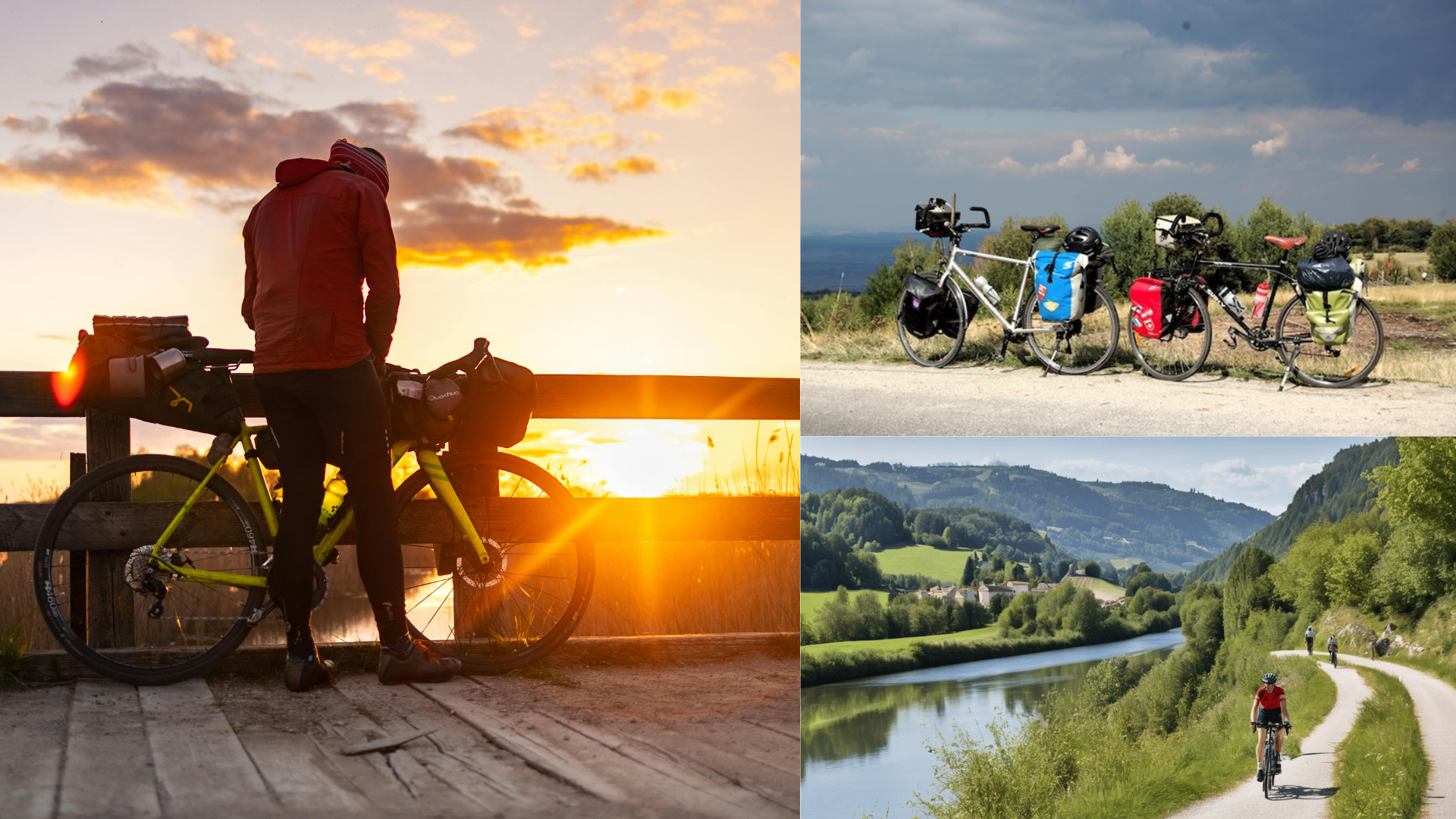
Every summer, more than 21 million French people They hop on their bikes to explore the country in a different way. From towpaths to Alpine passes, France offers varied, accessible and unforgettable cycling routes.
In this article, we offer you an immersion into three major cycling routes, Tested and approved by enthusiasts. Whether you're a seasoned cyclist or a casual traveler, these routes are for you. And if the idea of If converting a bicycle into an electric bike appeals to you, we'll explain how... electric bike kit can enrich the experience… without distorting it.
Summary
- Why choose summer for cycling trips?
- What specific advantages does the summer season offer?
- How to properly prepare your equipment?
- Why consider a electric assistance kit ?
- Top 3 cycling routes for the summer
- Cycling the Loire: heritage and the good life
- The Vélodyssée: an immersion on the Atlantic coast
- The ViaRhôna: from the Alps to the Mediterranean
- Adapting your bike for summer touring
- How to choose your electric bike kit ?
- What range should I aim for in the middle of summer?
- Where can I recharge my bike while traveling?
- Conclusion
1. Why choose summer for cycling trips?
What specific advantages does the summer season offer?
Summer is undoubtedly the best season for cycle touring in France. Not only is the climate generally stable and conducive to long-distance cycling, but it's also the time of year when the infrastructure is best suited to welcoming cyclists. According to France Vélo Tourisme, nearly 55% of cycling trips in France take place between June and September, which says a lot about the appeal of this period.

First of all, the days are long: it's not uncommon to have more than 14 hours of natural light in July. This leaves plenty of time for stress-free cycling, frequent breaks, sightseeing, or stopping at a village market. Furthermore, the greenways and cycle routes are fully operational. Many of them are temporarily upgraded or improved during the summer, with enhanced signage and additional water and repair points.
Another significant advantage: the accommodation offer Bike Welcome » is at its peak. Campsites, hostels, hotels and guesthouses offer services adapted to cyclists: secure shelters, charging stations for electric bike kit, energy-boosting breakfast, or even luggage transport.
Finally, the summer landscapes offer a unique visual dimension. Blooming lavender in the Luberon, golden wheat in Burgundy, turquoise reflections of the Mediterranean… each region reveals its full palette of colors. And even inexperienced cyclists can fully enjoy them, especially if they are equipped with an electric motor kit: long stages or intense heat becomeThey then become much more affordable.
Major cycle routes such as the Loire à Vélo or the Vélodyssée are generally safe and well-frequented, This reassures families and guarantees a certain level of logistical comfort.Many tourist offices even offer services dedicated to cycle tourists during the summer: themed tours, bike-train shuttles, and digital itineraries.
How to properly prepare your equipment?
Proper equipment preparation is essential for a smooth trip. Even if you're only going away for a few days, neglecting basic maintenance can jeopardize your entire itinerary. And if you plan to use an electric mountain bike or road bike, this attention to detail is even more crucial.
Before setting off, start by giving your bike a complete check-up. Check that the The tires show no cracks or bulges., that the pressure is appropriate for the load (especially if you are carrying panniers), that the The brakes are responsive and balanced., and that the The chain is well maintained.. In summer, the heat can accelerate wear on mechanical components, especially if you ride on gravel or in dust.
If you have equipped your mount with a electric assistance kit, Ensure proper weight distribution. A common mistake is positioning the battery too far back, which unbalances the bike, especially downhill or in tight corners. Opt for a centrally located battery (on the frame or at the bottom bracket) which improves handling.
The total weight of your gear should be evenly distributed: balanced rear panniers, a not-too-heavy handlebar bag, and everything you need within easy reach (tools, pumps, repair kit). Don't forget to pack an electric bike battery charger, or even an extra battery if you are planning long stages or isolated sections.
To delve deeper into this crucial step, see our article. How to choose your electric bike kit : It will help you adjust your settings according to your route (mountain, plain, mixed) and maximize the lifespan of your equipment.
Finally, always test your setup on a 30 to 50 km ride before the big departure: this allows you to adjust the settings, identify weak points and avoid unpleasant surprises once you are out in nature.
Why consider an electric assistance kit?
Summer naturally encourages more cycling. The light, pleasant morning temperatures, and the feeling of freedom that comes with open roads inspire cyclists to go beyond their usual distances. But desire shouldn't be confused with physical ability. Electric assistance becomes a strategic advantage here.
The main advantage of a electric bike kit is its ability to prolong the effort without distorting it. You continue to pedal, to feel the pleasure of movement and muscle work, but without the excessive fatigue associated with climbs, headwinds or long straight stretches in 30°C heat.
It's also an ideal solution for families: parents pulling a trailer or transporting a child can thus reduce their exertion. Similarly, couples or groups of varying fitness levels can synchronize their pace, which strengthens the cohesion of the journey.
A bicycle conversion kit It's also very useful for those carrying heavy equipment: tents, sleeping mats, photo or video equipment, musical instruments… anything that can slow a cyclist down becomes more manageable thanks to the assistance. In the mountains, the benefit is even more obvious: climbing a 10km pass with 12kg of gear is a different story if you have a motor.
Finally, the impact on morale shouldn't be overlooked. Knowing you have a backup plan in case of fatigue or difficult weather makes the journey more peaceful. It even allows some people (the elderly, those recovering from illness, beginners) to embark on an adventure they never would have imagined.
If you are still hesitating, check out our complete guide on how an electric motor kit for bicycles works and its advantages.
2. Top 3 cycling routes for the summer
Summer is the perfect season to explore France's most beautiful cycling routes. Some iconic routes combine accessibility, diverse landscapes, and safe cycling infrastructure. We've selected three must-do routes that appeal to families, athletes, and heritage enthusiasts alike. With or without an electric bike, everyone can find their own pace.
Cycling the Loire: heritage and the good life
Why choose the Loire à Vélo route in summer? Because she is probably the most iconic of French cycle routes. This route of nearly 900 km It connects Nevers to Saint-Brevin-les-Pins, following the royal river through a gentle and culturally rich landscape. It is one of the most suitable routes for beginners or families, as it is flat, well-marked, and dotted with refreshment points and accommodations bearing the " Bike Welcome and major tourist sites.

The strength of this route lies in the interplay between nature and heritage. You'll pass through some of the biggest names in the Loire Valley: Orléans, Blois, Amboise, Tours, Saumur and Angers, With a castle, a local market, or a wine cellar to discover at each stage, experienced cyclists can extend their enjoyment with additional loops towards Loir-et-Cher or the Brenne Regional Natural Park.
In summer, however, the heat can make long stages arduous. Installing a The electric bike kit will allow you to travel up to 100 km per day without straining. Electric assistance is particularly appreciated in less shaded areas or during long journeys between two towns. It also gives you more freedom to stop, visit a monument, or take an impromptu detour to a medieval village.
One of the advantages of the Loire à Vélo route is its rail accessibility. You can take your bike on TER regional trains to shorten a stage or return to your starting point. And if you're travelling with an electric bike kit, remember to check the SNCF's battery transport regulations.
The Vélodyssée: an immersion on the Atlantic coast
With its 1200 km cycle path between Roscoff (Finistère) and Hendaye (Basque Country), The Vélodyssée is the longest marked cycling route in France. It is part of EuroVelo 1, which crosses Europe from North to South. In summer, it's the perfect condensed cycling holiday: beach, ocean, unspoiled nature, local cuisine, and a very friendly atmosphere.

The Vélodyssée is often chosen by families on holiday, but it also attracts many experienced cycle tourists who want to ride the entire route. What makes this route so fascinating is the variety of landscapes: fine sandy beaches in Vendée, Landes forests, salt marshes in Charente-Maritime, then cliffs and hills in the Basque Country.
Even though most of the route is relatively flat, the steps can be long and windy conditions. That's where adding a An electric motor kit for a bicycle makes perfect sense. The assistance is particularly useful for tackling the frequent headwinds on the coast or for doubling your daily distance without sacrificing comfort. Some cyclists thus increase their daily mileage from 40 to 80 km, while still having energy for sightseeing and swimming.
The infrastructure is generally very well designed: separate cycle paths, sections through forests, numerous rest areas, and services for cyclists in each seaside resort. The Vélodyssée passes through towns such as La Rochelle, Royan, Arcachon, Biarritz, which are perfect for taking a break or spending the night.
If you're using a conversion kit bike, consider battery management: some sections of the Landes or Marais Poitevin are isolated and don't always offer immediate charging points. Bring a second battery or check with campsites that allow overnight charging.
For those who wish to experience a real cycling adventure, without limiting themselves physically, the Vélodyssée is a destination of choice.
The ViaRhôna: from the Alps to the Mediterranean
Less well-known than the previous two but just as captivating, the ViaRhôna connects Lake Geneva to the Mediterranean Sea about 815 km. The route follows the Rhône from Geneva to Sète, crossing a mosaic of contrasting landscapes: alpine plains, Beaujolais vineyards, lavender fields of the Drôme Provençale, hills of the Vaucluse, and finally the Camargue marshes.

The unique feature of the ViaRhôna is that it combines very accessible stages with more technical sections, particularly in the south where the paths are sometimes shared with traffic or less well-surfaced. In summer, temperatures can exceed 35 °C in the Rhône Valley, which fully justifies the use of an electric bike assistance kit.
With a well-calibrated engine, you can confidently tackle long stages between Valence, Avignon and Arles, or climb up to the hilltop villages like Gordes or Séguret. Electric assistance also gives you the freedom to get off the beaten track: the Ardèche gorges, Mont Ventoux (for the more ambitious), or even the hidden beaches of Languedoc.
The other strength of the ViaRhôna is its connection to the culture of the South. The route is dotted with Provençal markets, vineyards, and summer festivals. Riding with music and electric assistance becomes a rare pleasure, especially when cicadas accompany your descent towards the Mediterranean.
The infrastructure is improving year after year, but some sections can still be problematic (crossing industrial areas or poorly marked urban access points). It is therefore advisable to plan your stages carefully, especially if you are carrying heavy equipment or using an e-MTB kit to explore the surrounding area.
Adapting your bike for summer touring
Summer is the ideal time for long bike trips. But to ensure your adventure doesn't turn into an obstacle course, it's essential to adapt your bike to the demands of summer touring.Adding a electric bike assist kit becomes a strategic asset, provided that it is chosen well, its autonomy is managed intelligently and charging is planned carefully.
How to choose your electric bike kit?
Not all electric kits are created equal., Summer touring imposes very specific requirements. Distance, terrain type, weight to be carried, and even frame type directly influence the choice of kit. It's not enough to just buy the first kit you see: a good choice guarantees comfort, performance, and safety throughout your journey.
If you are riding on paved roads or flat cycle paths like those of the Loire à Vélo or the Vélodyssée, a front wheel motor kit is often sufficient. This system is lightweight, easy to install, and provides good traction on dry ground. It is particularly suitable for casual cyclists or families, and allows you to quickly transform a classic bicycle into a recreational electric bicycle.
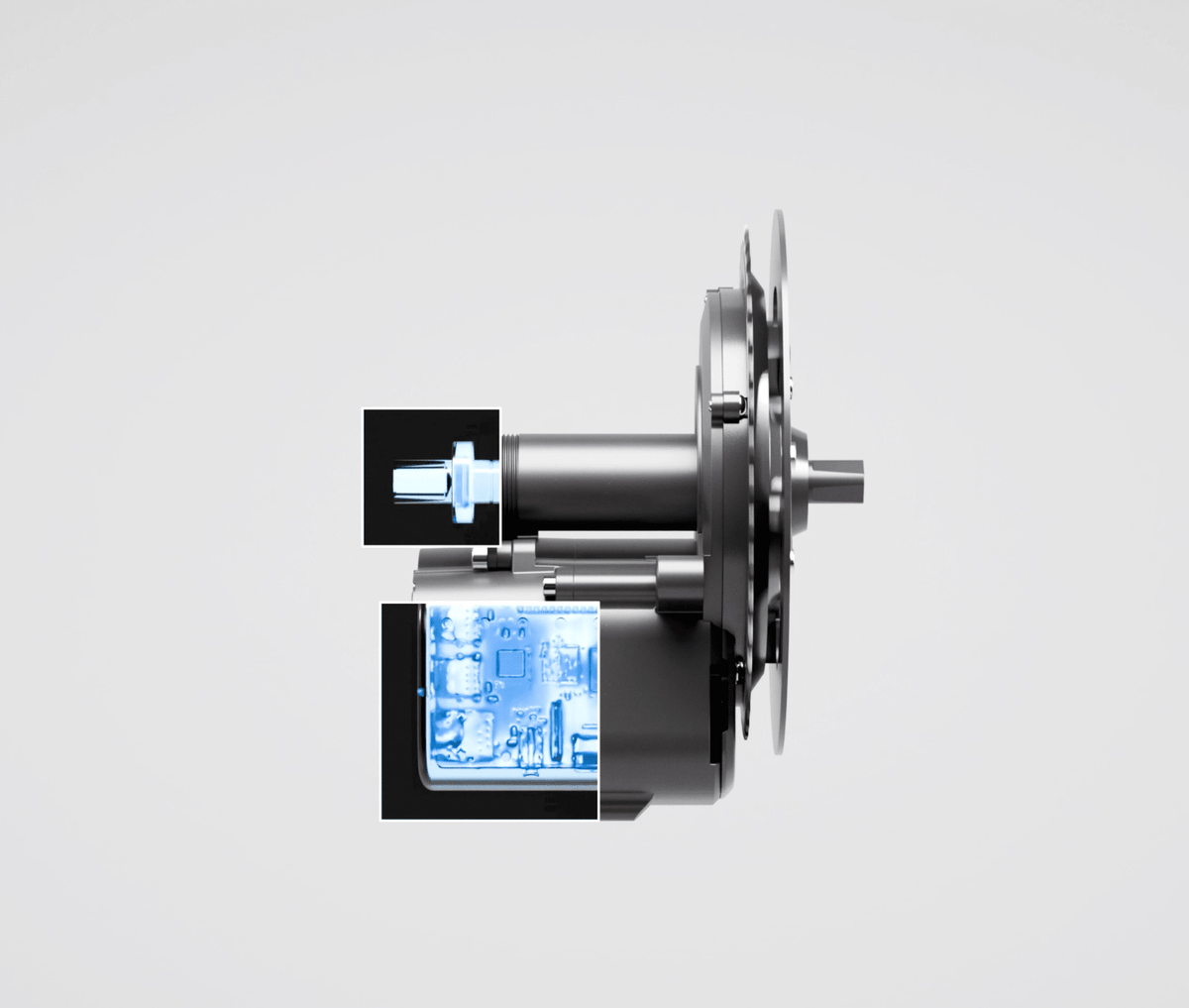
On the other hand, if you plan to explore more technical trails or venture onto back roads (ViaRhôna, Véloscénie, Massif Central), a rear wheel or crankset kit These kits are essential. They are designed to withstand impacts, better distribute power over rough terrain, and support heavier loads. They are also suitable for users carrying camping equipment or bulky panniers.
Another fundamental criterion is compatibility with your frame. Some bikes, especially older models or those with carbon frames, may not be compatible with certain types of motors or batteries. Check that installation is possible without altering the bike's geometry. At Virvolt, our electric bike conversion kits are designed to fit the vast majority of frames, from city bikes to mountain bikes.
Finally, the total weight This needs close attention. A poorly positioned battery or an unbalanced motor can unbalance the bike, especially downhill or in tight corners. Make sure to distribute the weight between the front and rear, particularly if you're carrying panniers or a child seat. Proper setup not only improves handling but also reduces muscle fatigue on long rides.
What range should I aim for in the middle of summer?
When traveling, the question of autonomy is not simply a technical matter: it is a decisive factor for the success of your journey. Nothing is more frustrating than running out of battery 15 km from the nearest village, especially under a blazing sun. To avoid this situation, it is crucial to understand how climate influences the battery, and to choose a capacity that suits your actual needs.
There Summer heat can affect the performance of lithium-ion batteries. When the temperature exceeds 30°C, the battery may lose efficiency, especially if exposed to direct sunlight or when climbing long mountain passes. The onboard electronics automatically adjust safety settings, which may reduce power output or assistance duration. It is therefore advisable to protect the battery from overheating and to monitor the evolution of the battery life via your control screen.
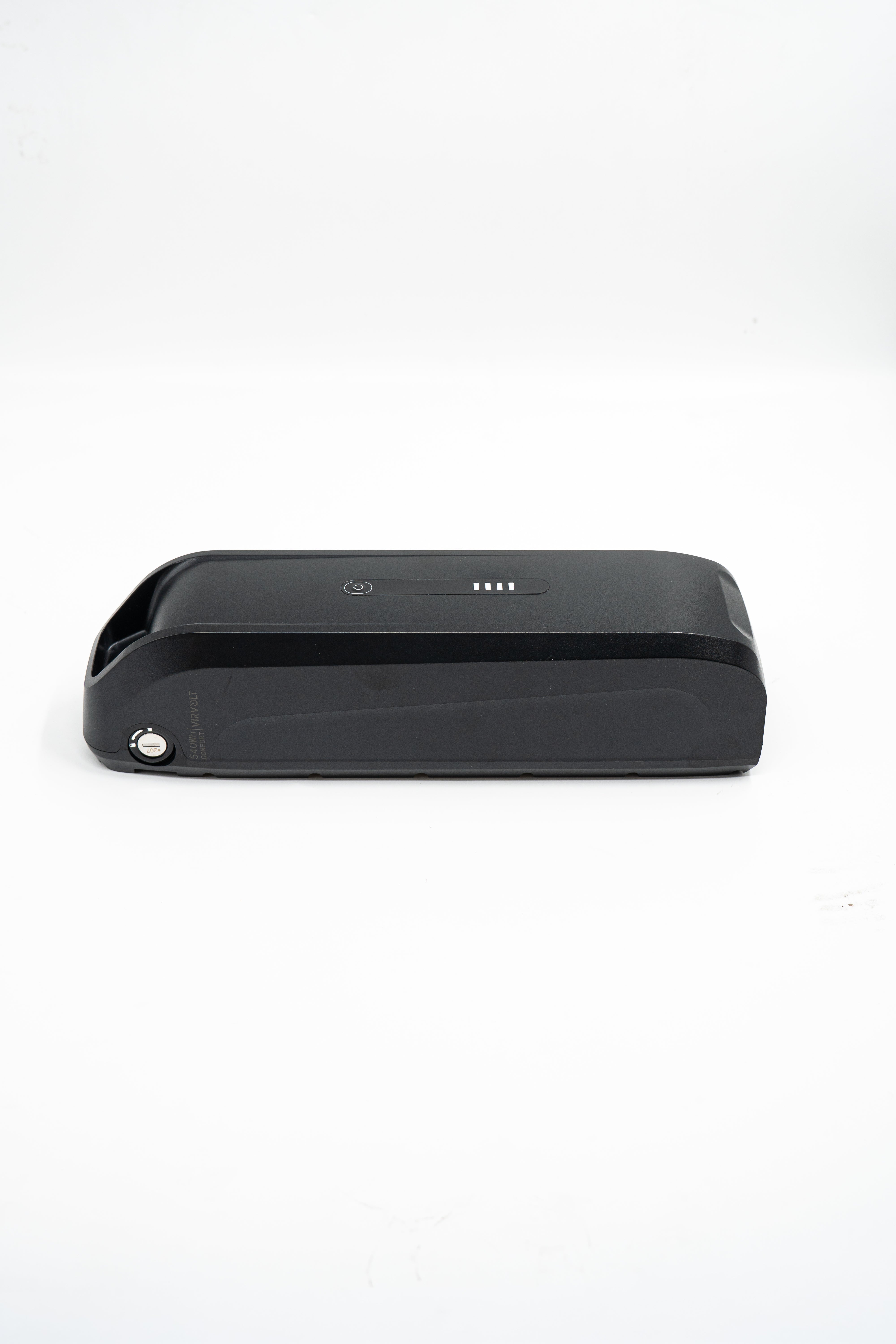
On a classic courseapproximately 60 to 100 km per day, the recommended capacity varies between 500 and 750 Wh. A well-adjusted electric assistance kit will allow you to last a full day, even with frequent stops or elevation changes. At Virvolt, our batteries are designed to offer adjustable autonomy depending on the assistance modes. If you mainly drive in eco mode, you can extend the range by 20 to 30% compared to turbo mode.
Another important lever: managing your average speed. Riding at 22 km/h instead of 28 km/h reduces engine effort and significantly extends range. Similarly, alternating assistance levels depending on the terrain optimizes energy consumption. For long rides, we recommend anticipating areas without access to a power source and keeping a safety margin of 15 to 20% battery for unforeseen events.
For more demanding routes (mountains, forests, long distances), the use ofa second removable battery is an excellent option. It fits easily into a pannier or front basket and allows you to double your range without waiting for a full recharge. It's an investment that many regular cycle tourists consider essential.
Where can I recharge my bike while traveling?
Charging while roaming It's simpler today than it was a few years ago. With the rise of cycle touring in France, more and more establishments are offering... charging points dedicated to electric bikes. But to fully benefit from these services, good preparation remains essential.
The first thing to do is to identify accommodations with the "Accueil Vélo" (Cyclist Welcome) label in advance.. This label guarantees the presence of infrastructure adapted to cyclists: secure shelter, repair equipment, drinking water, and above all electrical outlet for recharging batteries. Campsites, hotels, bed and breakfasts or rural guesthouses now offer this type of accommodation, particularly on major routes such as the Loire à Vélo or the ViaRhôna.
If you opt for bivouacking or uncertified accommodations, it is still possible to recharge in public places : Restaurants, cafes, train stations, tourist offices, and municipal libraries often allow cyclists to recharge their batteries, provided they make a purchase or ask politely. It is important to always bring your own charger, and if possible a multi-socket adapter so as not to monopolize the only available power outlet.
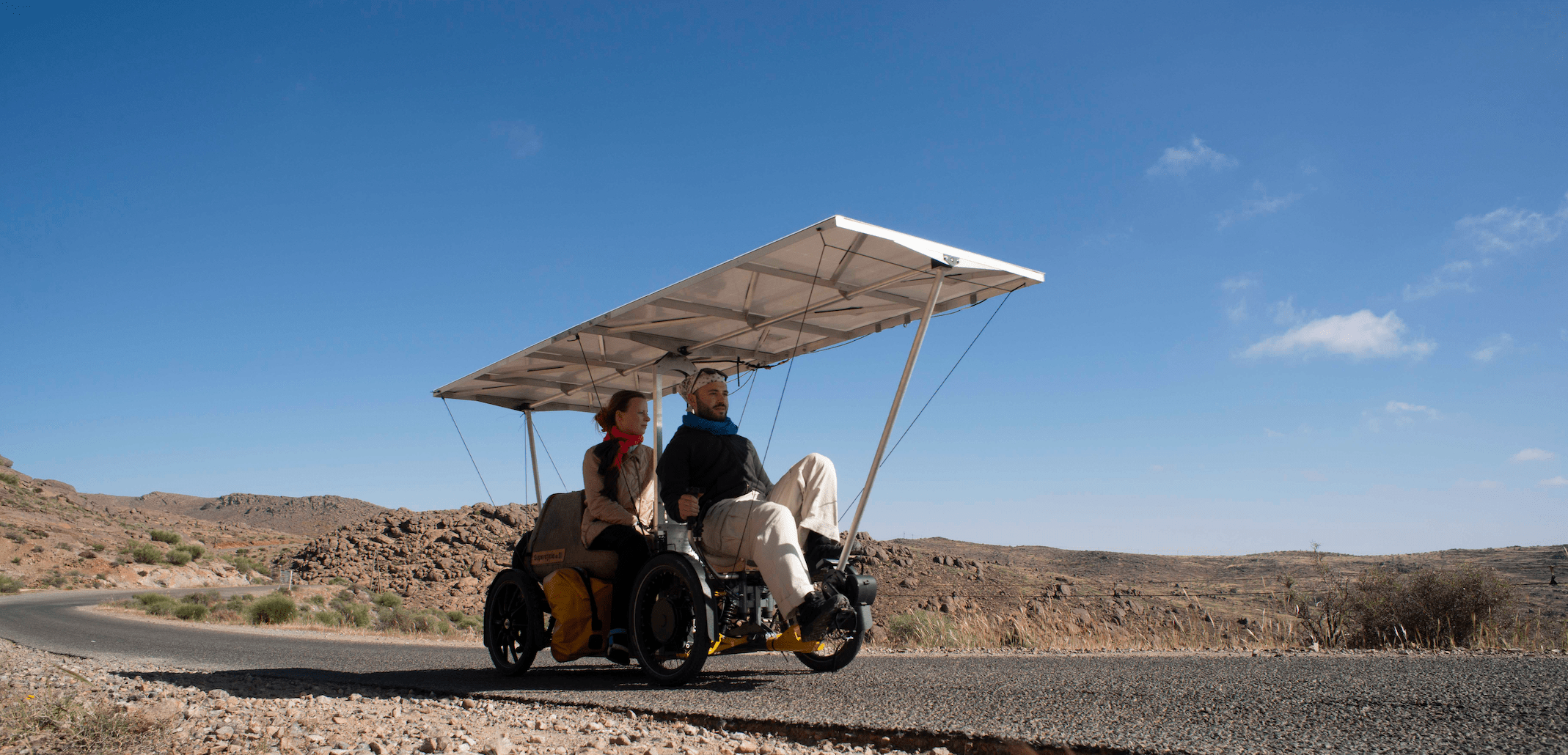
For those who drive in complete autonomy, the removable battery is a flexible solution: you can detach it and charge it separately, even if the bike remains outside or in a locker. This saves you from having to carry the entire bike up to your hotel room or upstairs. Some e-bike kit models also allow you to recharge via a USB port or a solar power source, although this type of charging remains slower and dependent on weather conditions.
Conclusion
Summer is the perfect season to explore France by bike. Thanks to routes like the Loire à Vélo, the Vélodyssée, or the ViaRhôna, everyone can find a route that suits them. Whether you're a fan of speed or a leisurely pace, the most important thing is to enjoy the journey.
The installation of a An electric bike kit can transform your holidays by offering you more freedom, flexibility and comfort.
And you, what is your favorite route? Share it in the comments or join our community of electric cyclists.
Partager:
Electric bike kit: DIY or professionals, 5 mistakes to avoid to successfully electrify your bike
Make your sales profitable with an electric bike kit