
1. Introduction
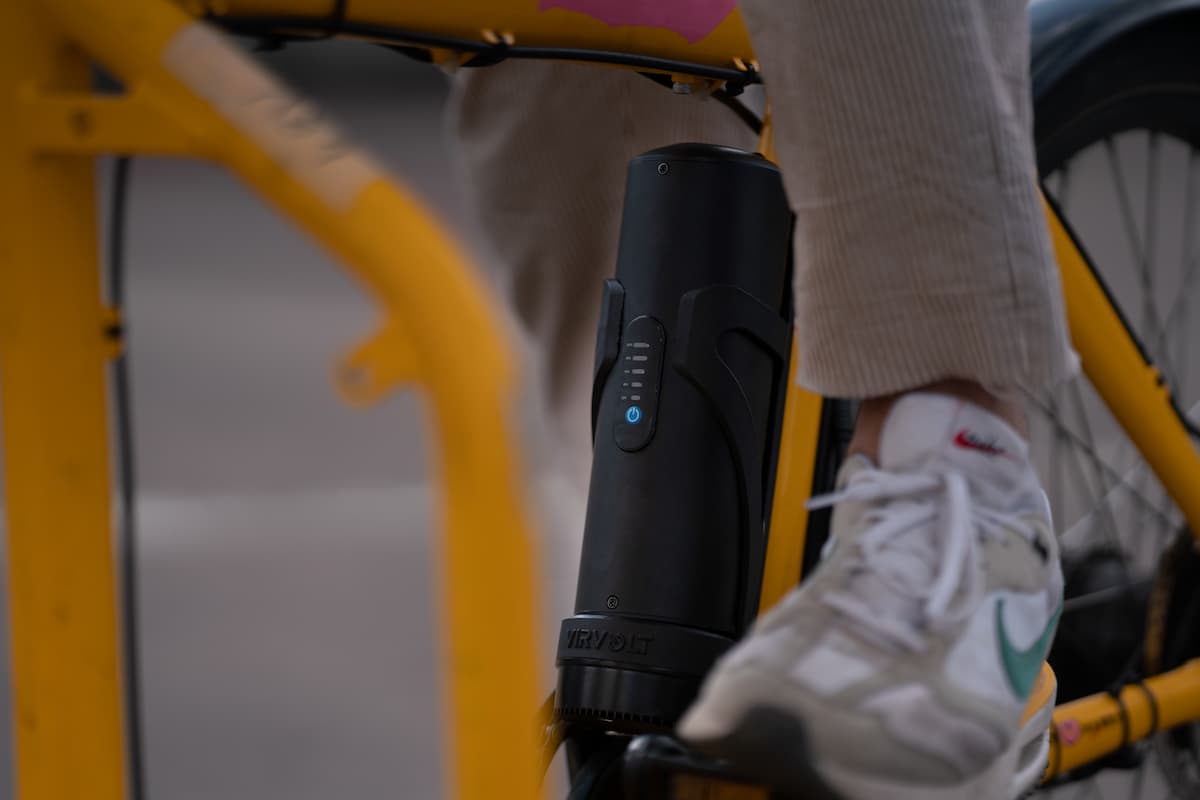
The electrification of bicycles is gaining popularity, offering cyclists the opportunity to travel longer distances with less effort. Electrification kits These kits allow you to transform a classic bicycle into an electric bike, offering significant advantages in terms of mobility, cost savings, and environmental impact. They come in several models, adapted to different uses and types of cyclists.

The electrification of bicycles is gaining popularity, offering cyclists the opportunity to travel longer distances with less effort. More and more people are looking to converting their bicycle into an electric bicycle thanks to a electric bike kit. These solutions allow you to enjoy the benefits of an assisted bicycle without having to invest in a new model.
THE electrification kits, transforming traditional bicycles into electric bicycles, present a variety of advantages that impact mobility, cost savings, and environmental sustainability.
Contents
1. Introduction
1.1. Bicycle electrification: a rapidly growing trend
1.2. Why choose an electric kit?
2. The advantages of an electric bike kit
2.1. Improved Mobility
2.2. Cost savings
2.3. Sustainability and respect for the environment
3. What types of electrical kits are available?
3.1. Bottom bracket motor
3.2. Front wheel
3.3. Rear wheel
4. Comparison of performance and costs
4.1. Kit prices
4.2. Cost of professional installation
4.3. Performance and battery life
4.4. Comparison of motors and batteries
4.5. Charging and lifespan
5. Where can I buy and have an electrical kit installed?
5.1. Online purchase vs. purchase from a professional
5.2. Network of specialist resellers
6. Regulations: Is it legal to install an electric kit for a bicycle?
6.1. Maximum power and speed permitted
6.2. Compliance with traffic rules
7. Conclusion
7.1. An economic and ecological investment
7.2. Tips for making the best choice
2. The advantages of an electric bike kit
2.1 Enhanced Mobility
The use of a electric bike kit goes beyond simply making travel easier. It offers a improved mobility, allowing cyclists to enjoy electric assistance for daily commutes or longer adventures. Whether it's to reduce effort on climbs or cover greater distances, these kits are an effective solution.
2.2 Cost Savings
Electrifying a bicycle results in... significant savings. Rather than buying a complete electric bike, a electric bike kit It allows you to adapt an existing bicycle at a lower cost. Furthermore, the maintenance of an electric bicycle is much less expensive than that of a motorized vehicle, particularly in terms of fuel and repairs.
2.3. Sustainability and Respect for the Environment
Opting for a electrification kit contributes to the carbon emissions reduction. By converting a classic bicycle into an electric bicycle, we promote a more sustainable mobility, thus reducing the ecological footprint while benefiting from an efficient and economical means of transport.
3. What types of electrical kits are available?
When exploring the market for electric bike kits, We discover a variety of options, each designed to meet specific needs. Understanding the nuances of each type can greatly facilitate the selection process.
3.1 Bottom Bracket Motor
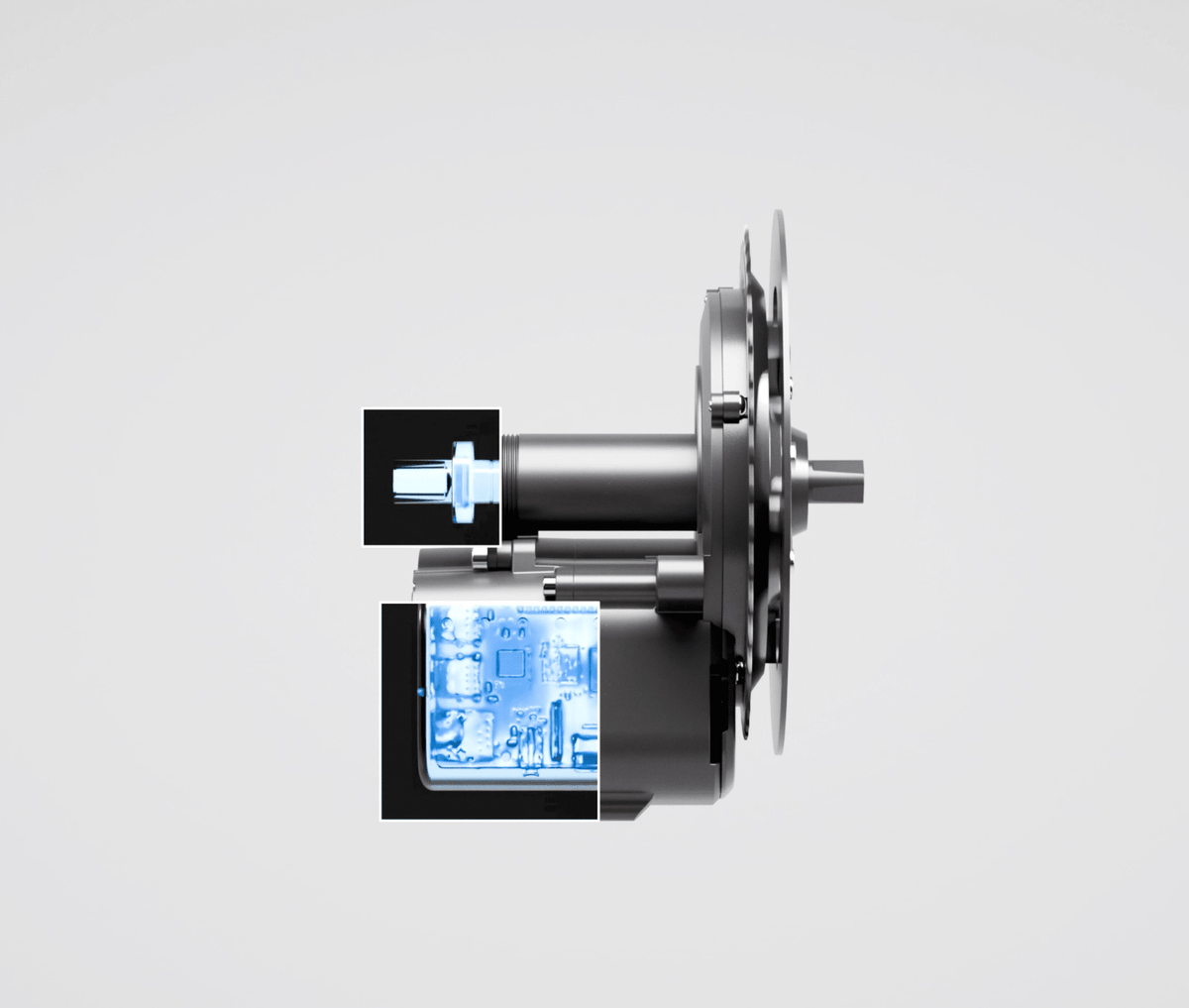
THE electric motor kit Positioning it at the bottom bracket is an advanced, high-end solution. This system incorporates a torque sensor (unlike the cadence sensors of more basic models like those from Bafang), allowing assistance proportional to the effort provided.
In other words, the harder you pedal, the more powerful the assistance, thus offering a natural and smooth driving experience. These kits are often preferred by cyclists seeking optimal comfort and discreet motor integration.

3.2 Front Wheel
THE electric kits for front wheel are appreciated for their ease of installation. The motor is directly integrated into the front wheel, making electrification quick and accessible to cyclists who do not wish to engage in a complex installation.
However, this provision alters the weight distribution of the bicycle and may affect handling, particularly at high speed or on rough terrain.

3.3 Rear Wheel
THE kit for electric bicycle with motor in the rear wheel is an excellent compromise between performance and stability. By integrating the engine at the rear, the weight is better distributed, ensuring a a more stable and safe driving experience.
This type of kit is particularly recommended for cyclists who do long journeys or riding on varied terrain. It provides effective assistance without affecting the bike's balance.

4. Comparison of performance and costs
4.1 Kit prices
The price of a electrification kit generally varies between 800 and 1200 euros. Models with mid-drive motors are more expensive due to their sophisticated design, while front-wheel drive kits are more affordable. Some models high-end may exceed 1500 euros.
4.2. Cost of professional installation
If you prefer Have your kit installed by a professional, an additional cost of 100 to 200 euros, depending on the complexity of the assembly and the type of bicycle.
4.3 Performance and battery life
Comparison of motors and batteries
The engines of electric bike kits are generally limited to 250 W, in accordance with European regulations. Some models can go up to 750 W, but these are not allowed on public roads.
Autonomy depends on the battery capacity and the assistance method used, varying between 40 and 80 km on average.
Recharging and lifespan
A good battery is essential for to ensure optimal longevity. Brands like Gouach offer batteries rechargeable quickly with a extended lifespan, thus ensuring sustainable and efficient use.
5. Where can I buy and have a kit installed?
The purchase of a electric bike conversion kit is possible online, on platforms like Amazon, eBay, or specialized websites. However, the installation can be complex and may require mechanical skills.
To ensure safe and compliant installation, it is recommended to use a authorized reseller. Brands like Virvolt have a network of 250 resellers in France, ensuring professional installation and efficient after-sales service.
6. Regulations: Is it legal to install an electric kit for a bicycle?
Before installing a kit, it is important to check the applicable regulations.
6.1. Power and speed limits
An electric bicycle must comply with certain legal requirements. The motor's power must not exceed 250 W and electric assistance must be limited to 25 km/h. Beyond these thresholds, the bicycle is considered a motorized vehicle, subject to registration and insurance requirements.
6.2. Mandatory pedal assistance
The motor should only activate when the cyclist is pedaling. Kits equipped with an independent throttle are prohibited on public roads, as they classify the bicycle as a moped requiring specific type approval.
7.Conclusion
Electrifying a bicycle via a electric bike kit is a solution flexible, economical and ecological. The choice of kit will depend on the individual needs, of the intended use and the type of bicycle.
Hiring a professional for the installation guarantees a optimal experience and compliant with current safety standards. Converting your bicycle into an electric bicycle is a profitable investment that allows you to enjoy the benefits of modern and sustainable transport.
Partager:
An electric kit for a durable and repairable bike
How to find an electric bike kit that fits your budget ?