
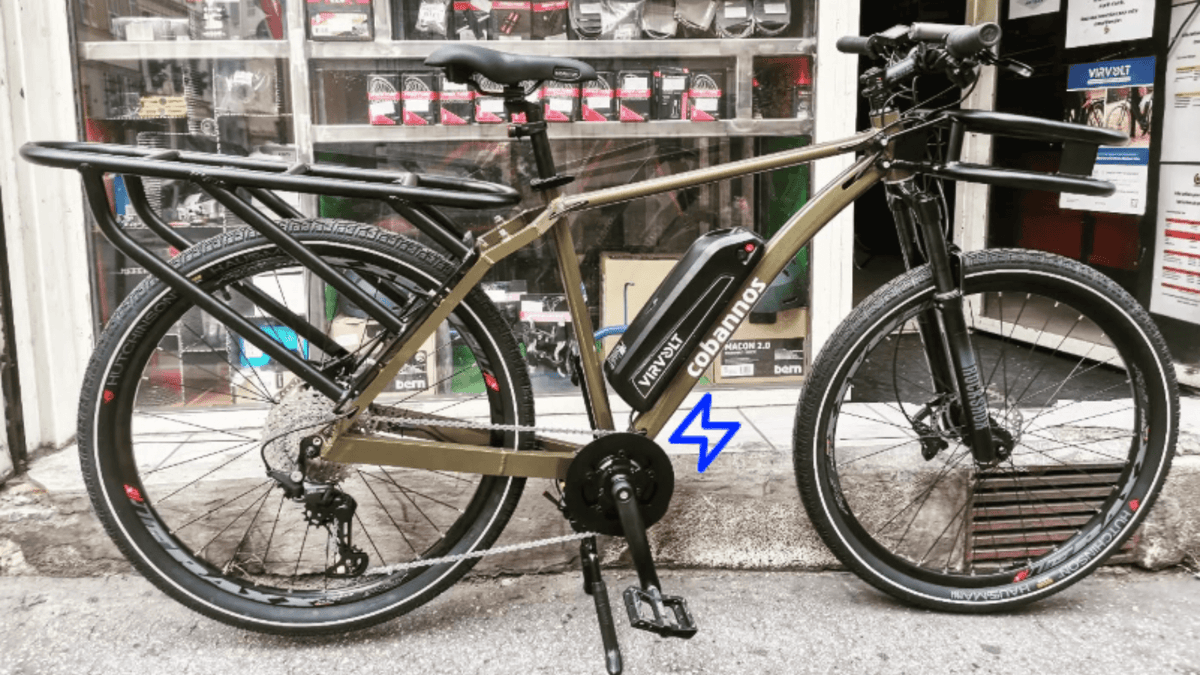
You've decided to convert your bicycle into an electric bike, but you're unsure about the motor power? 500W, 1000W, or even 2000W: these figures aren't just technical specifications; they determine your riding comfort, your range, your legality on the road... and your enjoyment of cycling. In this article, we'll help you understand everything about electric motor power so you can make the right choice. kit for electric bikethat depending on your usage, budget and land.
Understanding the differences in power also helps avoid unpleasant surprises: a motor that's too weak can let you down on climbs, while one that's too powerful can expose you to unexpected legal restrictions. The goal here is to help you make an informed and sustainable choice, one that aligns with your actual needs and current regulations.

Summary
- Why is power so important?
- What use for what power?
- What does the regulation say?
- How to choose the right electric bike kit?
- Choosing the right power for successful electrification
1. Why is power so important?
What do Watts represent on a kit?
The power of a electric bike kit Power is expressed in watts (W). It indicates the motor's ability to provide assistance. The higher the wattage, the more help the motor can give you on inclines, long distances, or during quick starts. But be aware: more power also means higher energy consumption, and therefore often less range if the battery isn't suitable.
That's why it's essential to match the motor's power to your actual needs. For example, a 250W motor is perfectly suited to flat urban terrain, while a 500W or higher motor will be more appropriate for hilly terrain or heavy loads. An incorrect match can impair system efficiency, lead to overheating, or cause premature wear of certain components.
Choosing the right power means finding a balance between performance and range. A motor that's too powerful for your daily use risks unnecessarily consuming your battery. battery, while an undersized motor can make your journeys unpleasant. Understanding Watts is essential for selecting a electric bike kit which will suit you in the long term.
Furthermore, the motor's electronic management plays a crucial role in regulating this power: some controllers allow for precise adjustment of the assistance, which optimizes range without sacrificing comfort. Therefore, one should not only look at the raw power figure, but also at the complete architecture of the electric bike kit that you plan to install.
Rated power vs. peak power
Rated power is the power the motor can deliver continuously. Peak power, on the other hand, corresponds to power peaks available for a few seconds (for a single burst of effort). electric bike kit A power rating of 250W can actually reach 500W or 600W at peak. It is therefore essential to carefully read the technical specifications provided by the manufacturer.
This distinction is crucial, as some manufacturers may emphasize peak power to make their product more appealing, whereas in real-world use, only nominal power guarantees consistent performance over time. For successful bike electrification, it's best to choose a motor whose nominal power matches your usual needs, without being swayed solely by peak figures.
2. What use for what power?
250W: the legal standard in France
In France, the legislation considers as electric bike (e-bike) Any cycle with a nominal power rating not exceeding 250W. This level is sufficient for urban use, on flat or moderately hilly terrain. Ideal for commuting, it provides smooth assistance without being too energy-intensive. This is also the recommended level for most projects.bicycle electrification compliant with the highway code.
In addition to complying with regulations, a 250W motor offers the advantages of being very quiet, having moderate energy consumption, and requiring minimal maintenance. For everyday use over reasonable distances, this power level is often more than sufficient, especially when combined with a good pedal assist sensor and a well-sized battery.
This type of electric bike kit It is also appreciated for its ease of installation and compatibility with a wide range of bicycles, from hybrid bikes and city bikes to folding bikes. By keeping the power output below the legal limit, you can ride without registration, specific insurance, or additional equipment. This greatly simplifies everyday use and allows you to retain all the practical advantages of a traditional bicycle.
Finally, 250W kits are often more affordable, both to buy and to maintain. Their low power consumption helps extend battery life and reduce long-term costs. This type of power therefore represents an excellent compromise between comfort, legality, and economy. To discover an example of a compliant and high-performing kit, consult the information sheet for Virvol Kitt 900, perfectly suited for everyday use, especially in urban environments.
500W to 1000W: for slopes and long distances
THE electric bike kits Motors ranging from 500 to 1000W are more powerful and intended for private use or off-road use (paths, trails, private property). They are suitable for hilly terrain, heavier riders, or those towing a trailer. This power range offers an excellent balance between comfort, performance, and range, especially when combined with a battery of at least 500 Wh.
However, please note: these kits are not approved for use on public roads. Before investing, it is therefore essential to clearly identify your needs and ensure that your intended use is compatible with this type of equipment.
Above 1000W: leisure, cargo bike or off-road?
Above 1000W, we're generally talking about kits geared towards extreme leisure or professional use. These motors are suitable for...electrification of certain cargo bikes, or e-MTBs, or for users who want maximum assistance, even on very steep slopes. Note: these bikes are no longer considered e-bikes, but mopeds, and must be approved and registered.
This level of power is also used in some professional fleets or in specific contexts (heavy deliveries, mountain access, etc.). While the performance is impressive, these kits also require particular vigilance: reinforced brakes, a solid frame, and knowledge of current regulations are essential for safe riding.

3. What does the regulation say?
What can be used on public roads?
On public roads, only one electric bike kit A bicycle with a maximum motor of 250W, with assistance cut off at 25 km/h, is permitted without registration. Above this power, the bicycle is classified as a moped and must be insured, equipped with turn signals and mirrors, and approved for road use. Failure to comply with these rules may result in penalties in the event of a traffic stop or accident.
Adhering to these criteria is more than just an administrative detail: it determines your status as a cyclist and protects you in the event of a dispute or incident. Furthermore, many cycling facilities are legally accessible only to e-bikes that comply with regulations. By choosing a kit that is too powerful or incorrectly configured, you risk being excluded from certain infrastructure.
This also means that any exceeding, even slightly, of the power or speed limits can push you into a different regulatory category, with significant consequences. It is therefore crucial, during theelectrification of his bicycle, It is important to carefully check the technical data of the kit and to find out about the legal obligations associated with its use.
To help you stay compliant while benefiting from effective support, kits like the Virvolt 500 have been specifically designed to meet the requirements of the French legal framework. It's better to anticipate these aspects rather than having to adapt equipment afterward, often at your own expense.
The risks of non-compliance
Using an excessively powerful kit without certification will invalidate your cyclist status. You will then be riding without insurance, which can have serious consequences in the event of an accident. Furthermore, it may invalidate any public assistance related to cycling.bicycle electrification, including local subsidies.
In the event of a claim, the insurance company may refuse any coverage, exposing the user to significant costs, or even legal action. To avoid these problems, it's always best to choose a electric bike kit It is essential to ensure its conformity upon purchase. At Virvolt, our kits are specifically designed to comply with French regulations.
4. How to choose the right electric bike kit?
Technical criteria to be checked
Besides power, check the type of motor (mid-drive, front hub, rear hub), the voltage (24V, 36V, 48V), frame compatibility, the quality of the pedal assist sensor, and of course, the battery capacity. A good electric bike kit is the one that corresponds to your actual use, not the one that displays the highest power.
The type of connector, the display mode (LED or LCD), and the ability to adapt the system to disc or rim brakes can also make a difference. It's also useful to check the kit's certification standard (CE, EN15194), which guarantees its compliance with European safety requirements.
The choice of sensor (torque or cadence), the presence of a smart controller, the robustness of the casing, and after-sales service are also key factors. A well-designed kit makes the experience more enjoyable, smoother, and safer.Don't neglect the availability of spare parts either, especially for a project involving...bicycle electrification in the long term.
Finally, consider technical support: a good manufacturer or distributor should offer clear guidance, tutorials, and even a technical hotline. Even the best kit on the market loses its value if you can't install or maintain it properly over time.

Adapting your kit to your frame and your needs
Every bike is different. An older steel frame won't have the same limitations as an aluminum hybrid or folding bike. Choosing a kit suited to your frame type and riding style is essential. This is the key to a successful electrification.
Bicycles with disc brakes, suspension forks, or unusual geometries sometimes require specific adjustments. Don't hesitate to consult a professional. our professionalsels des kits for electric bike : A good preliminary assessment can help avoid many unpleasant surprises. And if you're hesitating between two power levels, it's better to opt for the more balanced solution rather than the most extreme one.
5. Choosing the right power for successful electrification
Choosing the right power level for a kit is crucial in any project.bicycle electrification. Neither too weak nor too oversized, it must be suited to your routes, terrain, and physical abilities. If in doubt, start with a compliant 250W model and then upgrade as needed. Above all, consult an e-bike professional to verify compatibility, installation, and adjustments. You'll ride legally, safely, and with the satisfaction of having made the right choice.
Choosing the right power output also means thinking about the future: a good kit should be upgradeable, repairable, and compatible with a variety of uses. If you're still undecided, take the time to try several models and compare the riding experience. Successfully electrifying a bike depends as much on technical specifications as on your personal preference.
Partager:
Where to install an electric bike kit in 2025 ?
Virvolt 2000: the new French electric bike motor designed for cargo bikes