
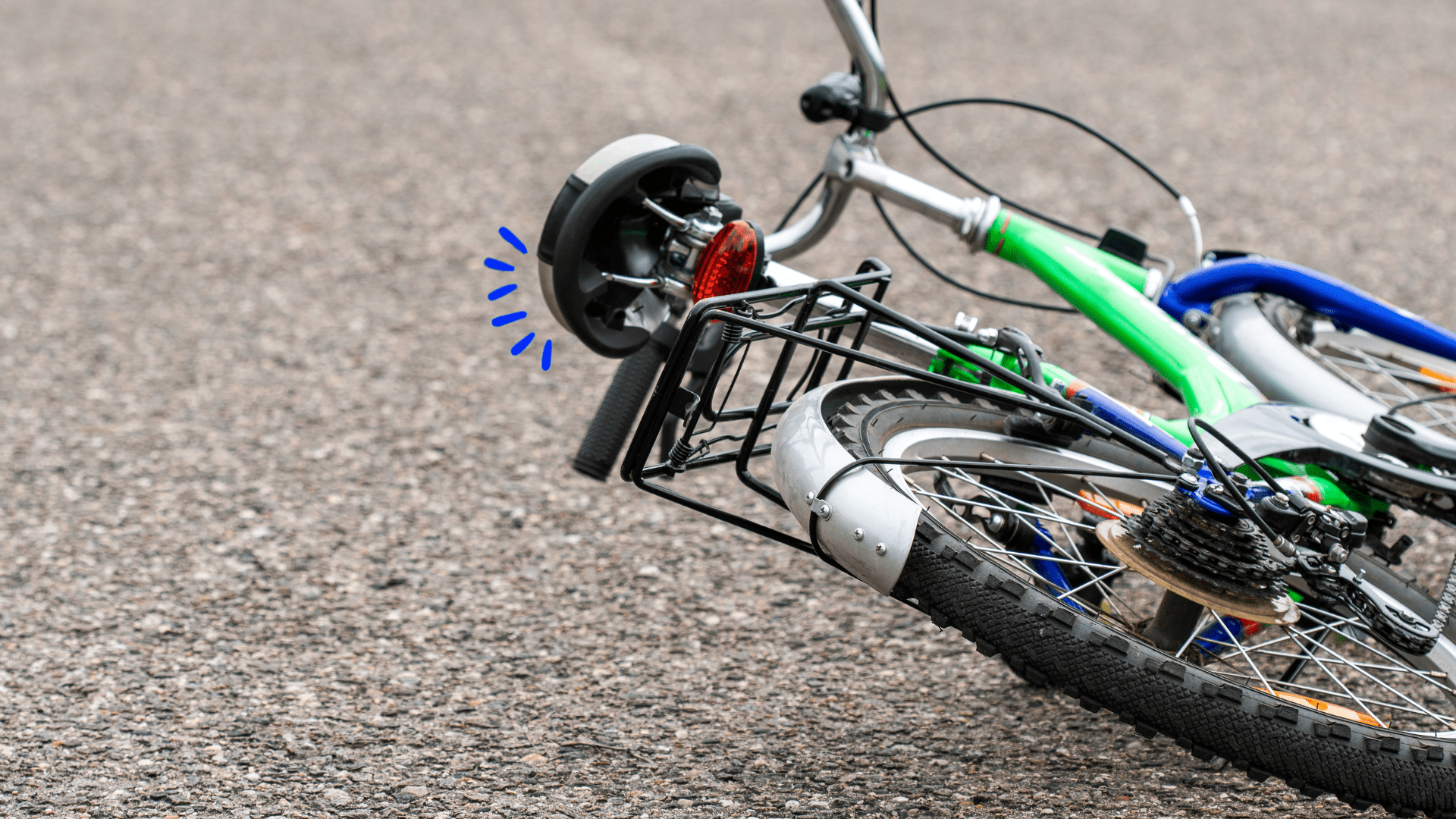
Cycling is a sport of exertion. A sport of solitude in the wind, of the peloton in the heat, of burning calves and sweat soaking the jersey. It demands courage, strategy, and a certain sense of honor. For a long time, in the Tour de France, the Giro d'Italia, Paris-Nice… its biggest scandals played out in laboratories or hotel rooms, with syringes, patches, or pills. But for the past few years, cheaters have been hiding in the frames of bicycles.

Welcome to the era of mechanical doping. Miniature motors concealed in the crankset or wheels, powered by invisible batteries, capable of providing a decisive advantage without noise or sweat. A technology that, while intended to enhance everyday mobility, becomes a weapon when misused in a competitive context.
Since 2010, suspicions have lingered. Since 2016, the evidence has been mounting. And the unease is growing. Because this new kind of doping escapes scrutiny, blood tests, and the usual anti-doping controls. It silently infiltrates a sport that is fighting to regain its credibility.
At Virvolt, we know the power of a well-positioned motor. Every day, we develop electric bike kits designed for converting a bicycle into an electric bicycle in full compliance with the law. And that is precisely why we strongly condemn these fraudulent practices.electrification of the bicycle is a great opportunity for mobility… not a shortcut for cheaters.
This article offers an overview of the biggest cases of mechanical doping, the tools deployed to combat them, and the lines that must not be crossed. Because an engine can be useful. But it should never be invisible.
The essentials
- Mechanical doping exists: motors hidden in bicycles to cheat during competitions, with proven cases since 2016.
- The UCI is leading the hunt: thermal cameras, X-rays, criminal experts and anonymous alerts are being used to detect cheaters.
- Electric kits are sometimes misused: some people use conversion kits intended for daily mobility in competitive contexts, illegally.
- Virvolt strongly condemns these practices: as an expert in bicycle electrification, Virvolt advocates for ethical, legal and transparent use of motor kits.
- Technology should serve mobility, not cheating: electrifying your bike, yes — but to ride further, not to win unfairly.
Summary
- From suspicions to proof: the emergence of mechanical doping
- The final straw: the first suspicions surrounding Fabian Cancellara
- The Van den Driessche case: the shift into reality
- From the peloton to local races: technological drift is gaining ground among amateurs
- The UCI's arsenal: tracking down invisible electric bicycle motors
- From X-rays to thermal cameras: technology as reinforcement
- Criminal experts to oversee the checks
- Whistleblowers and a culture of suspicion
- Electrification kits for professional bikes: a scourge under scrutiny – between fantasy and reality
- Between paranoia and prevention: the side effects of suspicion
- Legal use vs. misuse: a line that must not be crossed
- Ethics as a compass: Virvolt's clear position
1.From suspicions to evidence: the emergence of mechanical doping
It all begins with a feeling. A tiny detail. In 2010, during the Tour of Flanders, and then at Paris-Roubaix, the Swiss rider Fabian Cancellara crushed the competition. He attacked on the Oude Kwaremont with impressive power, leaving behind even the sharpest rivals. But it wasn't his raw strength that made headlines: it was a gesture, fleeting, repeated several times during the race—his hand on the handlebars, near the stem, as if to trigger something.
The final straw: the first suspicions surrounding Fabian Cancellara

The videos are circulating endlessly on forums. Slow-motion replays are piling up on YouTube. A rumor is circulating: Cancellara supposedly used a electric motor concealed in his bicycle. The affair has caused a great stir, but no formal proof has emerged to confirm these accusations. The UCI dismisses the matter. But a seed has been planted: the seed of doubt.
In the years that followed, the subject remained taboo. Some mechanics in the peloton hinted at the existence of concealment kits. These were technologies derived from the military industry or high-end amateur cycling. There was talk of electric motor kits integrated into the bottom bracket, batteries housed in water bottles or even seatposts. Rumors circulated widely. And yet, nothing was detected during official checks.
The Van den Driessche case: the shift into reality

Then came the shock. In January 2016, at the Cyclo-cross World Championships in Heusden-Zolder, an abandoned bicycle in the pits caught the attention of the race officials. It belonged to Femke Van den Driessche, a young Belgian cyclist with a promising future. UCI technicians inspected the bike. Inside the seat tube: an electric motor. The verdict was unequivocal. For the first time, a sanction was imposed: a six-year suspension, disqualification, and the end of her career. mechanical doping It's no longer an urban legend. It has become a reality.
This case has had a shocking effect. But it won't be the last.
From the peloton to local races: technological drift is gaining ground among amateurs
In 2017, in Dordogne, a French amateur was caught using a modified bicycle with motorized assistance during a local race. Suspended for five years, he became the first proven case of technological fraud on French soil. In its wake, other cases emerged among amateur cyclists: veteran riders, anonymous climbers, small clubs... Far from the spotlight, some didn't hesitate to electrify their bikes to gain a few places in the rankings or impress their peers.
What's striking is how easily these devices can be installed. Today, it's possible to transform a bicycle into an electric bike with a compact, lightweight, and silent e-bike kit. And while these kits are designed, like those from Virvolt, to support urban mobility or leisure activities, they can unfortunately be misused. This reality is forcing sports organizations to thoroughly review their control methods.
Because one thing is certain: electric bikes are not inherently illegitimate. On the contrary, they are a powerful tool for democratizing cycling, reducing car journeys, and making everyday life easier. But in the context of competitive sport, the line is clear. When a motor sneaks into a peloton without acknowledging it, that's no longer progress. That's cheating.
2.The UCI's arsenal: tracking invisible engines
When the UCI officially recognized the first case of mechanical doping in 2016, a whole segment of the cycling world became aware of the scale of the problem. Doping was no longer just a matter of syringes or blood bags. Now, motors were involved—concealed, silent, and efficient.
At the time, detection methods were still rudimentary. Officials carried out visual checks, sometimes using just a screwdriver to tap the frame and listen for vibrations. Needless to say, this was useless against a well-concealed electric bicycle motor kit. The UCI quickly realized it needed to modernize its equipment.
From X-rays to thermal scanners: the image war

The first response is technological. As early as 2016, magnetic detection tablets appeared in the paddocks. They make it possible to detect abnormal metals or magnetic fields inside the frame. But these tools have their limitations: being relatively insensitive, they do not accurately indicate the nature of the device.
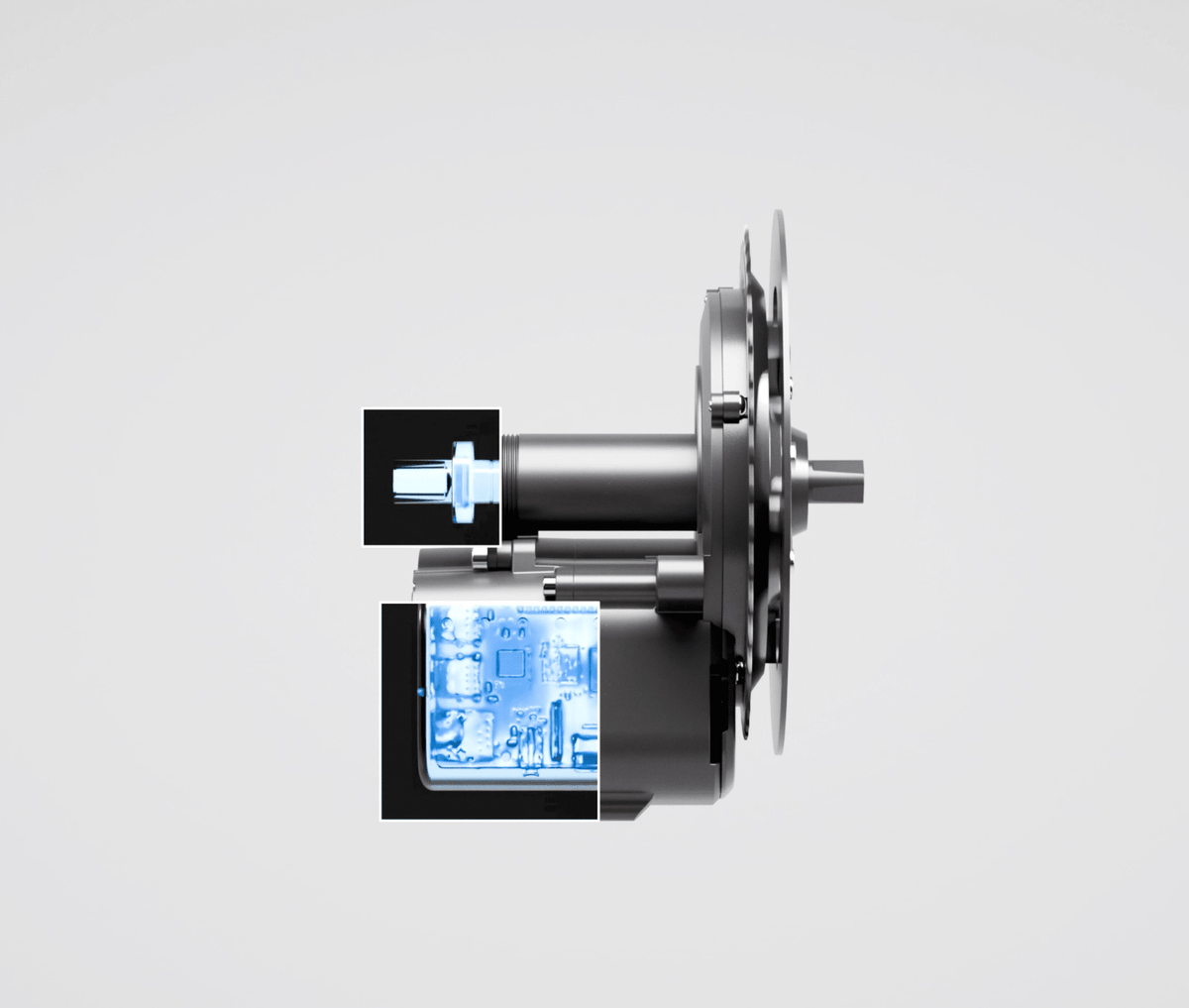
SO, the UCI is shifting into high gear. Thermal cameras, portable X-rays, backscattering: techniques borrowed from the military and aerospace industries are making their way into the pits. In 2021, hundreds of bicycles were inspected at the Tour de France using these technologies, allowing for a complete frame scan in seconds without disassembly. And now, even the most compact e-bike conversion kits, designed to transform a bicycle into an electric bike, can be detected if used for fraudulent purposes.
But technology is not always enough. The real key to success is the human element.
Criminal experts behind the scenes of the peloton
In 2024, the UCI announced an unprecedented measure: the recruitment of Nicholas Raudenski, a former American criminal investigator, to head the anti-technological fraud unit. His role: to coordinate inspections, train race officials, and structure procedures. The objective was clear: to make mechanical doping as risky a fraud as biological doping.
Mobile teams are now present at major races. They inspect bicycles before, during, and after stages. Spare bikes are also thoroughly checked. All this takes place in an atmosphere of near-police discretion. Teams never know if they will be inspected. And cheaters, potential or actual, live with a sword of Damocles hanging over their seatpost.
Informants, bounties, and a culture of doubt
But that's not all. The UCI has also implemented an anonymous reporting program. Anyone—mechanic, rider, assistant—can now alert the organization to suspicious behavior. And be paid for it. This alert system is inspired by traditional anti-doping methods. It helps to establish a culture of transparency, but also, let's face it, a certain degree of paranoia in the paddocks.
Some are denouncing a witch hunt. Others believe that fear is the best deterrent. But the UCI intends to let nothing go unchallenged.
For Virvolt, this is a step in the right direction. Because bicycle electrification, when regulated, documented, and intended for legal uses—urban, family, tourist—is a positive development. But when it becomes a tool for cheating, it harms an entire sector and muddles the message of sustainable mobility.
3. A scourge under surveillance: between fantasy and reality
Since the Van den Driessche affair, no new cases of mechanical doping have been officially detected among professionals.Should we see this as a sign of a victory for controls? Or as evidence of fraud that has become more sophisticated, better concealed, and elusive?
Opinions differ. Some observers believe that media pressure and increased controls have been enough to deter cheaters. Others, more skeptical, point to the "inhuman" performances of some riders or amateur videos showing wheels spinning on their own once the bike is leaned against a wall. These rumors are proliferating online, fueled by the fantasy of a peloton secretly electrified.
Because that's precisely the paradox of mechanical doping: its technical credibility reinforces its suspicion. Electric bike conversion kits are now so compact and efficient that many imagine it would be easy to cheat. In reality, the complexity lies elsewhere.
The myth of the invisible engine
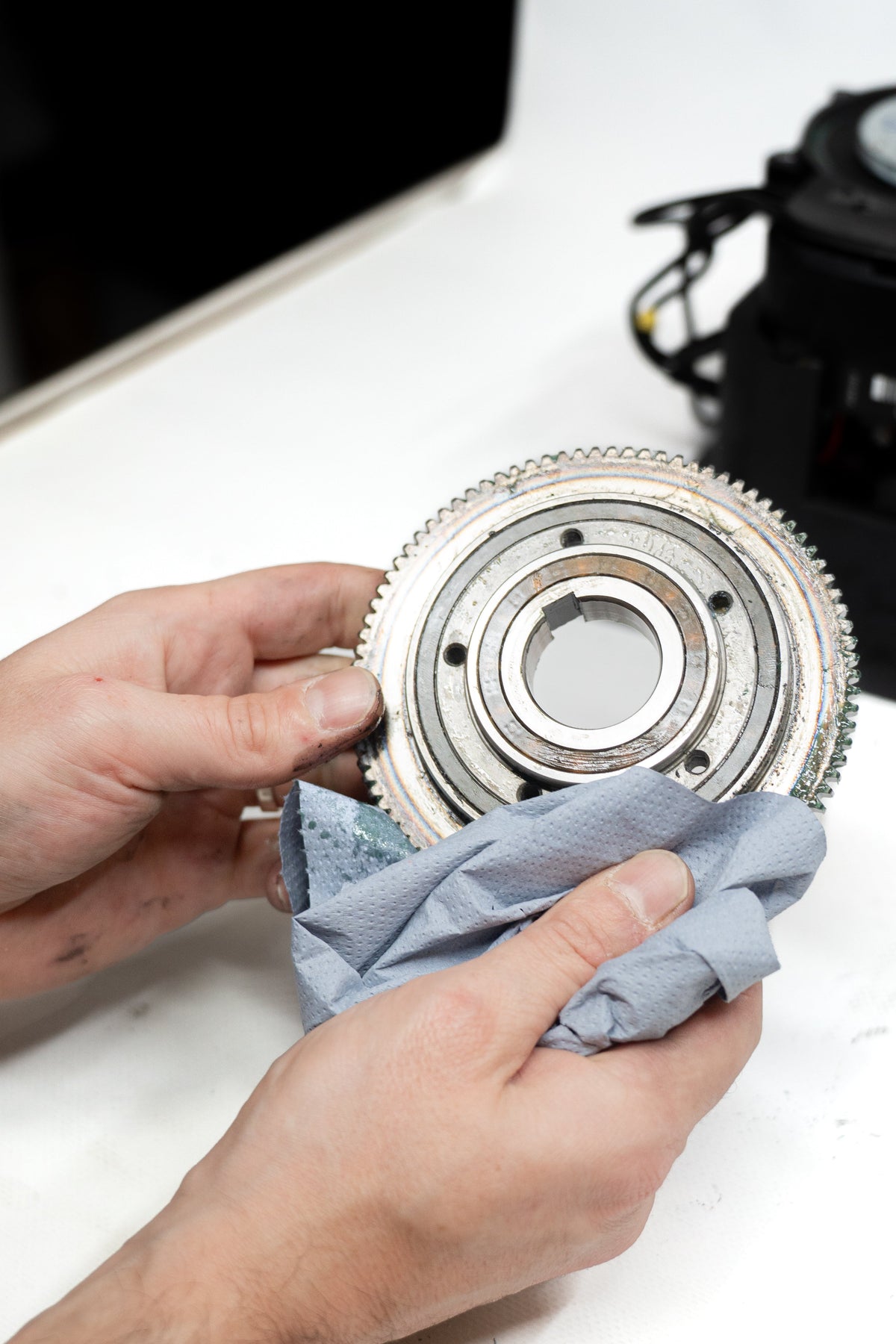
True integrated motors aren't bought on Amazon. They're developed in laboratories, custom-designed, and tested under extreme conditions. The slightest unwanted vibration, the slightest overheating, the smallest mark on the frame can betray their presence. And that's not even mentioning the logistics: hiding the cables, concealing the battery, integrating a discreet activation button… All of this requires expertise, time, and perfect coordination. In short, organization. Not for everyone.
However, this doesn't stop some fraudsters, particularly in amateur cycling circles, from trying their luck. Online marketplaces are overflowing with electric bike kits for misuse, sold without warranty or certification. The goal? To win a local criterium, impress the crowd, or simply beat a chatty neighbor. The risk, however, is very real: sporting sanctions, disqualification, and sometimes even legal prosecution.
The fine line between legal use and cheating
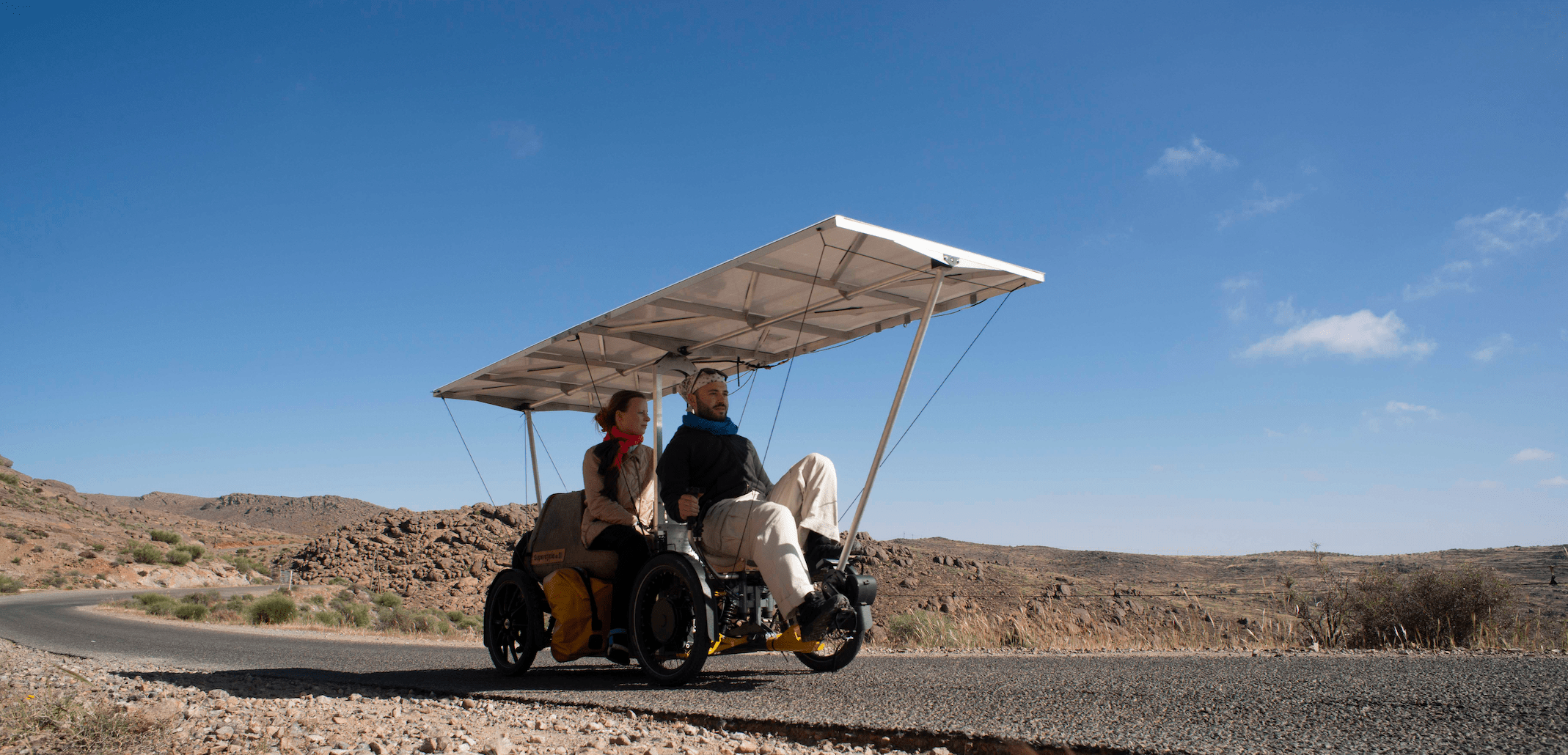
At Virvolt, we see every day how electrified bicycles can change lives. A properly installed electric bike kit allows an elderly person to cycle again with their grandchildren. It allows an office worker to swap their car for a daily commute. It allows a traveler to climb mountain passes that were once inaccessible. But let's be clear: this progress is only valuable when the rules are followed.
That's why our electric bike motor kits They are designed within a strict framework: 250W maximum, assistance only when pedaling, and a complete cut-off above 25 km/h. No throttle, no hidden motor, no compromise on compliance. We work with professional installers, we test our equipment, and we inform our customers about the regulations. Our vision is simple: to help cyclists electrify their bikes seamlessly, sustainably, and reversibly.
All of this contradicts the logic of mechanical doping. In one case, it's about making cycling easier for everyone. In the other, it's about creating an unfair advantage in competition. On one hand: inclusive progress. On the other: exclusive cheating.
And now, what level of vigilance should we adopt?
For competition organizers, vigilance must not be relaxed. The UCI understands this well. But it cannot do everything alone. Teams, mechanics, and brands also have a role to play. There needs to be education about the legal framework, traceability of components, and transparency regarding modifications made to bicycles, especially when these include some form of assistance.
For their part, manufacturers like Virvolt must continue to set an example. By developing electric bike kits clear in their use. By educating users on the boundary between assistance and autonomous motorization.And by publicly acknowledging their refusal to have any ambiguity: converting a bicycle into an electric bike, yes. But for commuting to work. Not for winning a race.
Conclusion
Mechanical doping is no longer a rumor: it's a documented, sanctioned, and actively pursued reality. Even if it remains marginal in the professional ranks, its existence undermines trust in a sport that is struggling to rebuild after decades of scandals. Above all, it blurs the line between legitimate innovation and organized cheating.
At Virvolt, we refuse to let technology become synonymous with suspicion. We develop electric bike kits to improve the lives of cyclists, not to manipulate podiums. Our mission is simple: to enable everyone to electrify their bike transparently, respecting regulations and ethics.
Technology isn't the problem. It's the intention behind it. An engine can be a valuable aid… or a silent poison. It's up to each individual to choose which side of the line they want to be on.
Partager:
How to choose between a new electric bike and an electrification kit ?
Top 10 bikes that are easy to electrify in 2025