
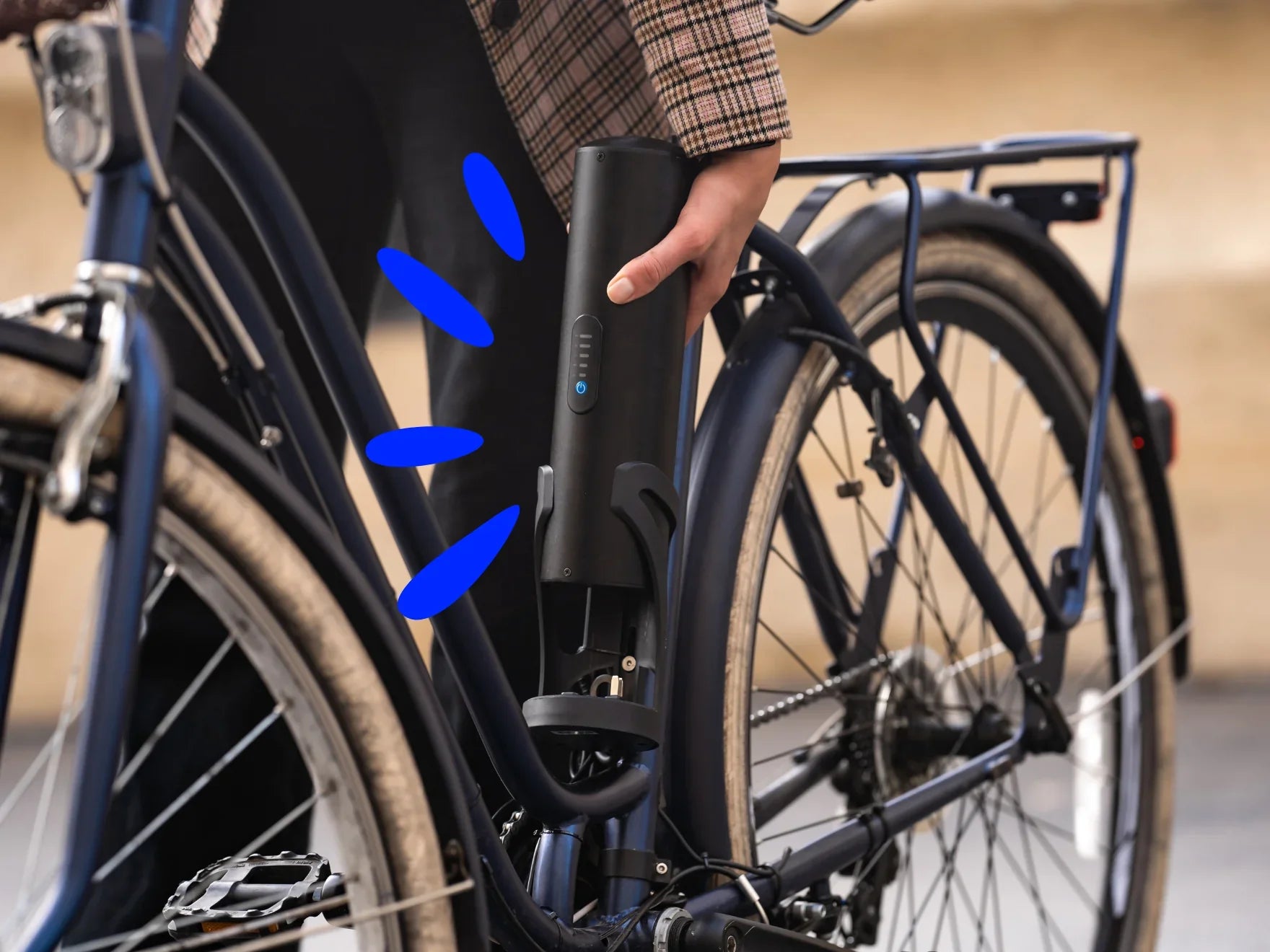
Optimizing your electric bike for greater range

The rise of electric bikes has revolutionized urban mobility, offering an eco-friendly and practical alternative for getting around. However, the performance and lifespan of an electric bike or conversion kit are closely linked to the condition of its battery. In this article, we'll explore in detail practical tips for optimizing the lifespan and performance of your electric bike's battery.
Recharging your battery
One of the crucial aspects of battery maintenance is how you recharge it. While it's recommended to charge the battery after each use, it's essential to avoid frequent partial charges, as this can reduce battery capacity over time. Ideally, opt for full charges, preferably when the battery is around 20% of its capacity.
Storing your bicycle battery
The storage location of your e-bike can also affect the battery's health. A dry place with a moderate temperature is optimal. If you plan not to use your bike for an extended period, ensure the battery is charged to approximately 60% before storing it. It is also crucial to avoid temperature extremes (below 5°C, above 30°C), as these can negatively impact battery performance.
Always inflate your electric bike tires properly
An often overlooked but essential aspect of maintenance is tire pressure. Properly inflated tires reduce rolling resistance, thus improving the energy efficiency of your e-bike. Be sure to regularly check the recommended pressure in your bike or electric conversion kit manual to ensure optimal riding performance.
Regularly maintain your electric bike
A well-maintained bicycle not only ensures a safe riding experience but also contributes to battery longevity. Brakes in good working order, a properly lubricated chain, and regular inspection of electrical components are essential for detecting and resolving any potential problems.
Knowing how to ride without assistance
Learning to ride without electric assistance from time to time can also be beneficial for the battery. When conditions allow, turn off the electric assistance and pedal. This practice helps extend battery life by reducing the load on the cells.
A full recharge every month
Although partial charges are generally recommended, fully charging the battery every month is beneficial.
This practice helps to balance the battery cells, thus preventing potential imbalances that could affect long-term performance.
Regulating your speed
Maintaining a constant, moderate speed contributes to more efficient battery use. Sudden acceleration and frequent braking can increase energy demand, leading to faster battery discharge.
By adjusting your speed according to road conditions, you optimize the energy efficiency of your electric bike.
Furthermore, learning to anticipate necessary speed changes will allow you to adjust your driving more smoothly, thus reducing the strain on the battery.
Adjust your route
Planning your route can also influence your e-bike's energy consumption. Avoid routes with steep climbs and opt for flatter paths to maximize energy efficiency. If your e-bike has a pedal-assist function, learn to anticipate power requirements on different terrains.
Planning more direct routes and avoiding unnecessary detours helps extend battery life by reducing usage time at full charge.
Monitor the battery indicators
Most electric bikes are equipped with battery indicators. Learn how to interpret them correctly to adjust your riding accordingly. Avoid pushing the battery to its absolute limit, as this can lead to premature wear.
Carefully monitor charge levels and recharge your battery when necessary. By anticipating charging needs, you avoid situations where the battery could be heavily stressed, thus preserving its long-term health.
Participate in maintenance workshops
Familiarizing yourself with the basics of e-bike maintenance can make a big difference. Many specialist shops offer maintenance workshops where you can learn how to care for your bike, including its battery. This practical knowledge can help you quickly identify potential problems and take preventative measures.
Knowing how to check electrical cable connectivity, maintain electrical components, and make minor adjustments can contribute to optimal battery performance.
Going beyond the usual advice
In addition to standard maintenance advice, there are advanced tips to maximize battery performance. Some manufacturers recommend occasional full charge cycles to recalibrate battery management systems.
However, it is essential to follow the manufacturer's specific recommendations, as these practices can vary from model to model.
Optimize the electric assistance settings
Some electric bikes offer adjustable power assist settings, allowing users to fine-tune the power delivered by the motor. Experimenting with these settings can help you find the right balance between performance and energy efficiency, depending on your riding style and terrain conditions.
Integrate eco-driving techniques
Learning eco-riding techniques can also benefit the energy efficiency of your e-bike. This includes gradual acceleration, maintaining a constant speed, and anticipating stops to minimize sudden braking. By adopting a smooth riding approach, you reduce the load on the battery, thus extending its lifespan.
By carefully following these tips, you'll not only maximize your e-bike's battery life but also ensure reliable and long-lasting rides. Take care of your battery, and it will take care of your e-cycling experience, offering you limitless adventures.
Remember that each electric bike model or electrification kit may have specific features, so it is recommended to consult your electric kit manual for advice specific to your model.
🚴♂️ Ready for more advice? Check out our article on how to choose your electrification kit.
Partager:
Electric bike: The Ecological Bonus extended to used bikes
Optimization of repair shops: the advantage of bicycle electrification with VIRVOLT