

The Sustainable Mobility Package (FMD) Today, this represents a real opportunity to transform commuting into environmentally friendly and economical solutions. In 2022, more than 500,000 employees in France took advantage of this scheme to finance their journeys by bicycle, carpooling, or via shared mobility services. This rapid increase demonstrates a growing interest in more sustainable modes of transport, as well as an awareness of the environmental and financial implications.
Among the most attractive solutions, electrifying bicycles with an electric kit stands out. It extends the lifespan of a traditional bicycle while significantly reducing its carbon footprint. For many employees, this option proves more economical than a new electric bike, while offering increased comfort, particularly for long journeys or on hilly terrain. This choice reflects a practical and responsible approach, combining savings, comfort, and respect for the environment.
This article aims to detail the different types of kits available, their legal compliance, the steps to benefit from the FMD (Mobility and Sustainable Mobility Fund), and the concrete advantages for employees and companies. We will see how this initiative contributes to sustainable mobility, improves well-being at work, and actively participates in the ecological transition.
Summary
-
Understanding the Sustainable Mobility Package
-
Electrifying your bicycle: a solution eligible for FMD funding
-
Why convert your electric bike? Advantages and practical examples
-
How can I benefit from the FMD to electrify my bicycle?
-
Ecological and economic impact of bicycle electrification
-
Conclusion
Understanding the Sustainable Mobility Package
History and legal framework
The Sustainable Mobility Package was established by the Mobility Orientation Law (LOM) in 2019, with implementing decrees coming into force in 2020. Its main objective is to encourage companies to financially support environmentally friendly commuting. This scheme is available to all employers, whether in the public or private sector. The reimbursement cap varies depending on the sector: up to €700 per year for private sector employees and €900 for public sector employees. This distinction reflects the desire to make the scheme accessible and motivating, while taking into account potential differences in funding between the public and private sectors.
The introduction of the Mobility Mobility Plan (FMD) addresses several challenges: reducing greenhouse gas emissions, improving air quality in urban areas, and promoting employee health. By encouraging alternatives to private cars, the law aims to reduce traffic congestion, noise pollution, and the costs associated with road infrastructure. It is therefore part of a broader framework for ecological transition and the modernization of mobility.
Modes of transport covered
The FMD (Mobility Forum) is not limited to traditional cycling or electrification. It also covers carpooling, shared mobility services such as e-scooter sharing, and public transport passes. Each solution aims to reduce the use of private cars and offer sustainable, practical, and economical alternatives.
For cyclists, the advantage is twofold. On the one hand, the purchase of a new bicycle or an electric kit is reimbursable under the FMD.On the other hand, electrification allows a classic bicycle to be transformed into a high-performance bike, capable of covering longer distances or tackling hills without excessive effort. For users of carpooling or shared transportation, reimbursement significantly reduces the cost of daily commutes, making these solutions more attractive.
Benefits for employees and companies
For employees, the FMD (Mobility and Commuting System) represents a direct reduction in costs, optimized travel time, and improved daily comfort. Traffic jams can be avoided thanks to cycle paths or lanes reserved for shared transport, while the electrification of bicycles makes journeys faster and less tiring.

For companies, integrating FMD (Fuel Mobility and Design) into their CSR (Corporate Social Responsibility) policy helps reduce the organization's carbon footprint and foster employee loyalty. Testimonials show that installing a conversion kit transforms employees' daily lives: less stress, greater punctuality, and increased engagement. This initiative thus becomes a tool for overall performance, combining environmental, social, and economic benefits.
The electrification of bicycles
How electrical kits work
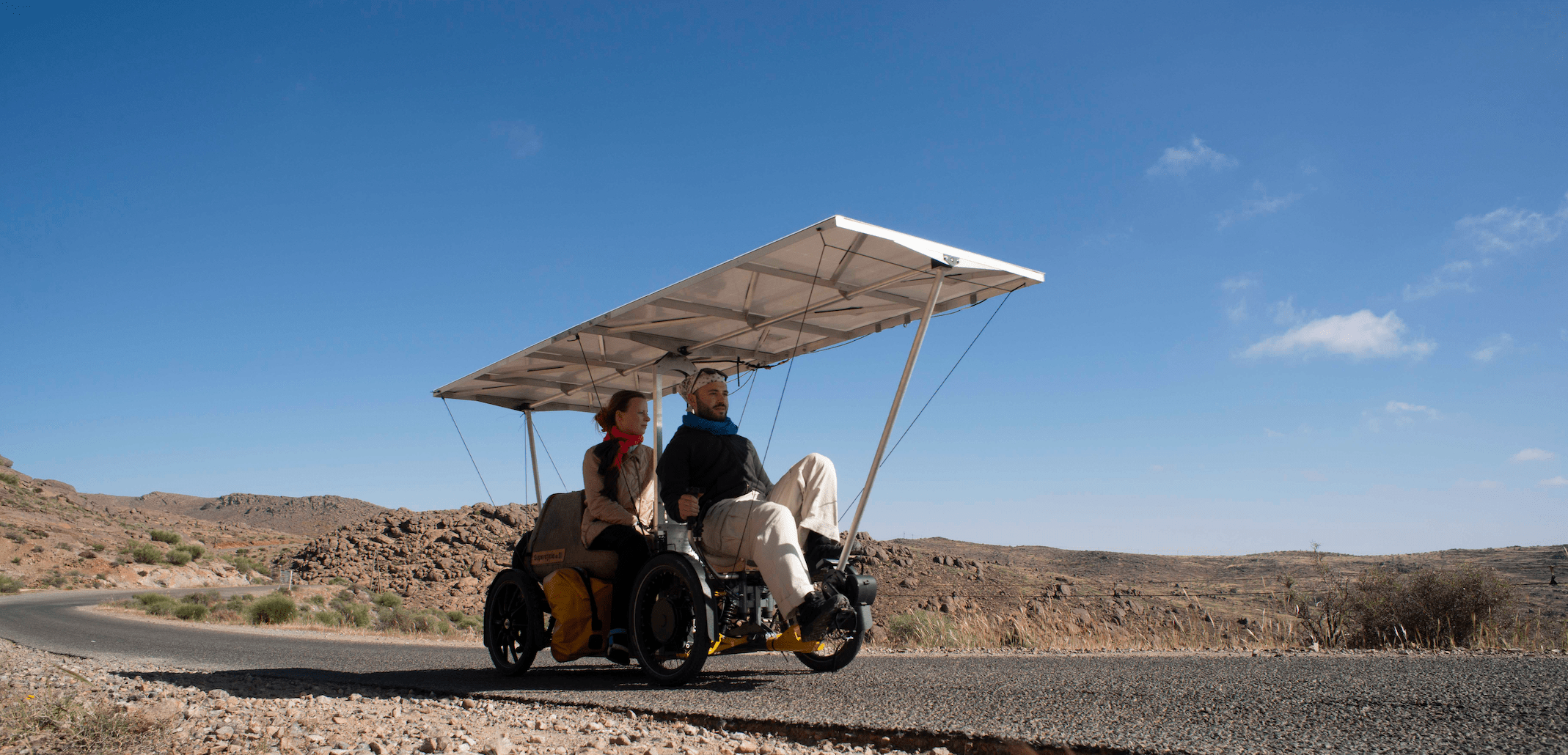
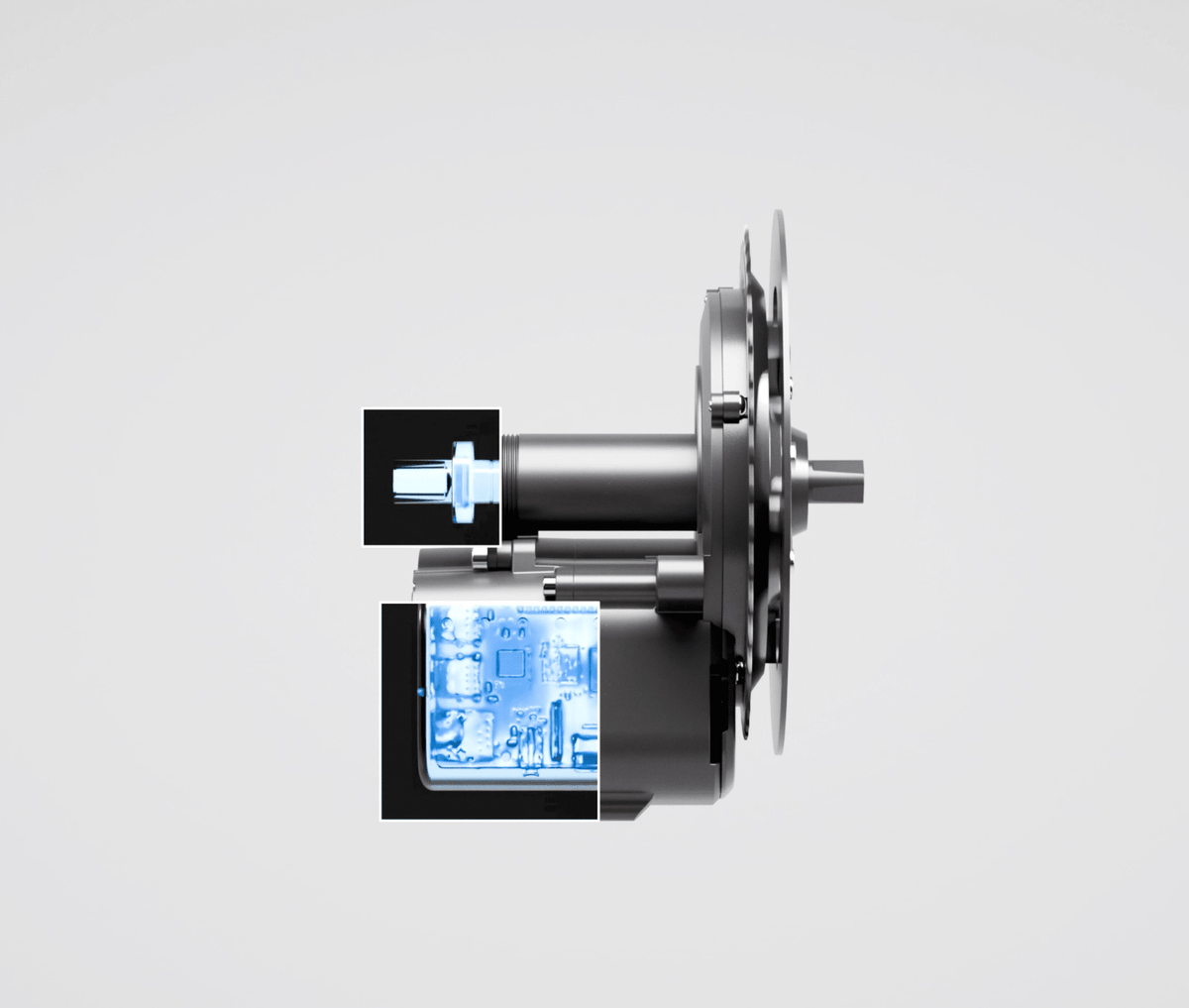
A electric bike kit An electric bike is a set of components that allows you to convert a regular bicycle into an electric bike. It typically includes a motor, a battery, a control system, and sometimes pedal assist sensors. Installation is relatively simple and doesn't require advanced technical skills.
Using an electric conversion kit allows employees to enjoy the same benefits as a new electric bike while limiting the initial investment. The motor provides adjustable pedal assistance to suit individual needs, reducing fatigue and making daily commutes more pleasant. The battery can be easily recharged at home or at work, providing sufficient range for urban or suburban travel.
Types of kits available
Electric bike kits come in several models to meet different needs. Some are designed to be mounted on the front or rear wheel, making them particularly suitable for city bikes and easy to install. Other kits use a mid-drive motor, which is more efficient for longer journeys or hilly terrain because it allows for more direct power transmission.
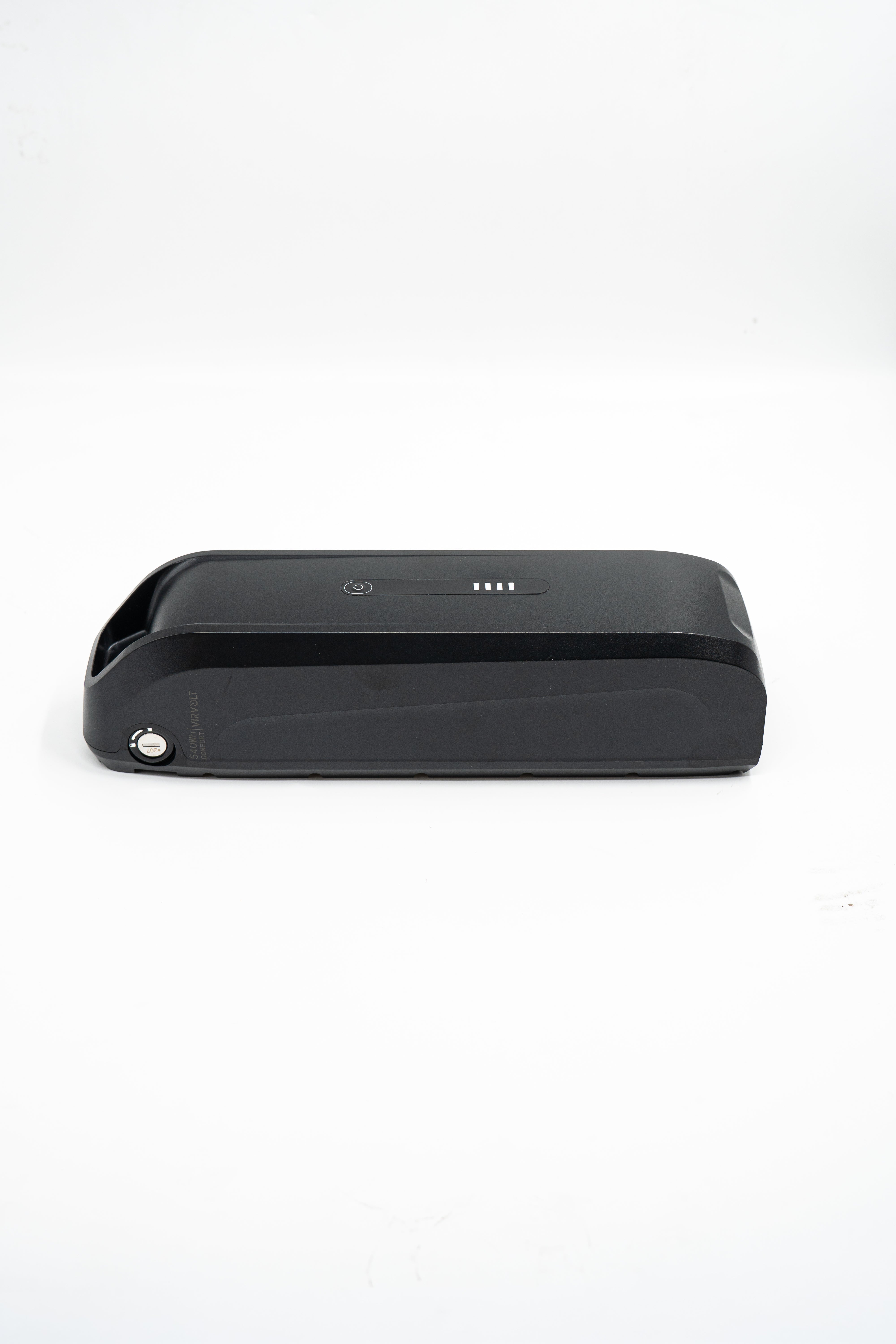
Virvolt kits are designed to offer a complete and high-performance solution for electrifying bicycles. Each kit includes the motor and battery, allowing for a complete conversion of a classic bicycle into an electric bike. For mountain biking enthusiasts, Virvolt offers specific kits adapted for off-road riding, providing optimal comfort and sufficient power to tackle the most rugged trails. Each type of kit is distinguished by its characteristics in terms of range, power, and comfort, allowing each user to choose the solution best suited to their needs and intended use, whether for daily urban commutes or sporting outings.

Legality and compliance
To be eligible for the FMD (French National Mobility Fund), an electric kit must comply with certain legal standards. The maximum permitted power is 250 W, and the pedal assist must not exceed 25 km/h. The use of a manual throttle is prohibited for bicycles with pedal assist. Furthermore, the battery must be CE-approved to guarantee safety and regulatory compliance.
These criteria guarantee not only eligibility for FMD but also the safety of the user and other road users.By respecting these rules, employees can fully enjoy their electric bike while remaining within the legal framework, which facilitates the declaration and reimbursement of expenses to the employer.
Advantages of electrification and practical examples
Savings and return on investment
The first economic advantage lies in the cost. An electric kit typically costs between €600 and €1,500, while a new electric bike costs between €2,000 and €3,000. With the FMD (Mobility and Mobility Fund), the reimbursement significantly reduces the actual cost for the employee, with the return on investment potentially less than a year for daily use.
The savings also extend to maintenance: a bicycle electrified with a kit consumes fewer resources than a new one, and repairing simple components is less expensive. Thus, the moderate initial investment offers a quick return on investment while contributing to sustainable mobility.
Ecological impact
The environmental impact is a major argument. Extending the lifespan of a conventional bicycle with an electric conversion kit avoids the production of new bicycles, reducing CO₂ emissions related to manufacturing. Each conversion makes a tangible contribution to sustainable mobility and reducing individual carbon footprints.

The daily use of bicycles, as a replacement for cars for commuting, also reduces air and noise pollution in urban areas. Electrification thus appears as a pragmatic solution for reducing environmental impact while promoting healthier mobility.
Comfort and practicality
Pedal assistance makes long or hilly rides easier, reducing fatigue and encouraging regular cycling. For mountain bikes, electrification allows you to combine leisure activities with commuting.
Concrete examples illustrate these advantages: some employees travel 15 km daily thanks to an electric bike kit, saving up to 20 minutes per trip while arriving less tired. At the same time, some companies have reimbursed the cost of these kits through the FMD (French National Mobility Fund), reducing the use of private cars and strengthening their CSR (Corporate Social Responsibility) policies. These examples demonstrate that electrifying bicycles is cost-effective and beneficial for both employees and businesses.
Conclusion
Electrifying bicycles with an electric kit offers a sustainable and economical alternative to buying a new electric bike. By combining the use of a compliant kit with the Sustainable Mobility Package, employees can benefit from attractive reimbursements, reduce their commuting costs, and improve their daily comfort.
For businesses, this scheme strengthens their CSR policy, fosters employee loyalty, and contributes to reducing CO₂ emissions. Choosing a kit that meets the standards, keeping receipts, and declaring the expense to the employer are essential steps to fully benefit from the FMD (Funding for Sustainable Development).
Thanks to this approach, sustainable mobility becomes accessible and attractive, combining practicality, cost savings, and environmental responsibility. The electrification of bicycles thus represents a concrete lever for encouraging a more active and sustainable lifestyle, while actively contributing to the ecological transition.
Partager:
Back to school: what electric bike solution to take your child with you ?
How to electrify a Cannondale bike ?